A celebration of the ECS archipelago: Bringing citizen science to public libraries
Andreja
Vovk Iskrić,
April 28, 2026, 11 a.m.
Since its inception, European Citizen Science, led by the European Citizen Science Association, has aimed to strengthen and expand the citizen science community across Europe, placing inclusivity at the centre of its work. A key ambition has been to make citizen science accessible to everyone, particularly underrepresented groups, while recognising public libraries as essential community spaces that can help realise this vision.
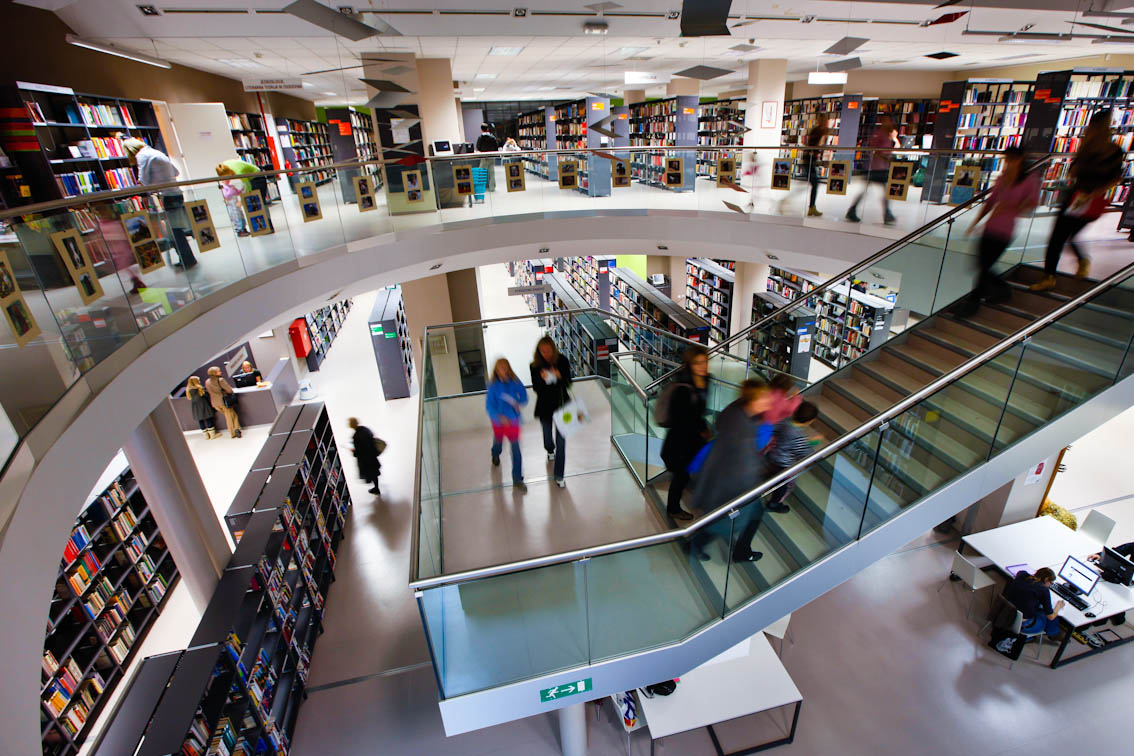
These ideas and experiences now converge in the upcoming event, “A celebration of the ECS archipelago: Bringing citizen science to public libraries,” organised in collaboration with Ljubljana City Library and the Slovenian Citizen Science Network. The event will take place on 11 June 2026. Designed as a day of collaboration and capacity building, the event will showcase the key achievements of the ECS project, with a particular focus on what matters most for public libraries today. It will also provide space for workshops that encourage the exchange of experiences and the development of new skills.
Throughout the ECS project, a wide range of initiatives has supported the involvement of public libraries in citizen science. These efforts have focused on professional development and on strengthening connections between libraries, bringing together library staff through training sessions, meetings, and collaborative formats that encourage knowledge sharing and skill development.
Alongside these activities, libraries have played an active role in engaging their communities. Through events and programmes, they have invited local audiences to participate in citizen science, helping to make research more accessible and participatory. This has been further supported by a range of training opportunities, including courses and online seminars, designed to equip librarians with the knowledge and tools needed to develop citizen science activities within their own institutions. Many of these learning resources are now available through the ECS platform.
Developed within the ECS project, the platform serves as a shared digital environment for knowledge exchange, collaboration, and capacity building. It brings together organisations, projects, and individuals working in citizen science, offering opportunities to connect, learn, and share experiences across sectors.
For public libraries, the platform is particularly valuable due to its carefully curated selection of training materials and practical guidance. These include learning modules on the fundamentals of citizen science, resources on how libraries can develop into citizen science hubs, and guidelines for promoting inclusivity and meaningful public engagement. Together, these materials support the development of key competencies among library professionals, such as project planning, ethical awareness, and methods for involving communities in research. In addition to educational content, the platform offers real-world examples and networking opportunities that further support libraries in their work.
To ensure the event moves beyond presenting project outcomes, participants will also be invited to take part in a hands-on workshop focused on practical applications of citizen science in libraries. This interactive session will provide an opportunity to explore concrete tools and approaches, while encouraging participants to reflect on how these can be adapted to their own local contexts.
The workshop will emphasise learning through collaboration, enabling participants to exchange experiences, work through real-life scenarios, and develop ideas together. In doing so, it aims to strengthen confidence in initiating and supporting citizen science activities, while fostering peer learning and co-creation.
The programme will also feature examples of good practice from Slovenian libraries and present the work of the Slovenian Citizen Science Network, offering inspiration and practical insights into how citizen science can be implemented in local environments. These examples will include both independently developed initiatives, such as projects focused on collecting memories of local history, and collaborative projects carried out in partnership with researchers and scientific institutions.
At the same time, the event will create opportunities for participants to connect with the wider citizen science community and build new professional relationships. Researchers who have previously collaborated with libraries will share their perspectives, offering valuable insights into the benefits, challenges, and future potential of these partnerships.
As the ECS project enters its final phase, this event signifies not an ending, but a continuation. It brings together librarians, researchers, and practitioners to exchange ideas, strengthen connections, and explore new possibilities. Citizen science is an ongoing journey, one that creates opportunities for new collaborations, shared knowledge, and ways of working together.
By building on their existing strengths and recognising the potential within their work, public libraries can actively shape this future. In doing so, they continue to evolve as open and inclusive community spaces: places where knowledge is not only accessed, but created collectively.