OdourCollect turns Barcelona students into “air sentinels” tracking odour pollution
ECS project
July 14, 2026, 7:47 a.m.
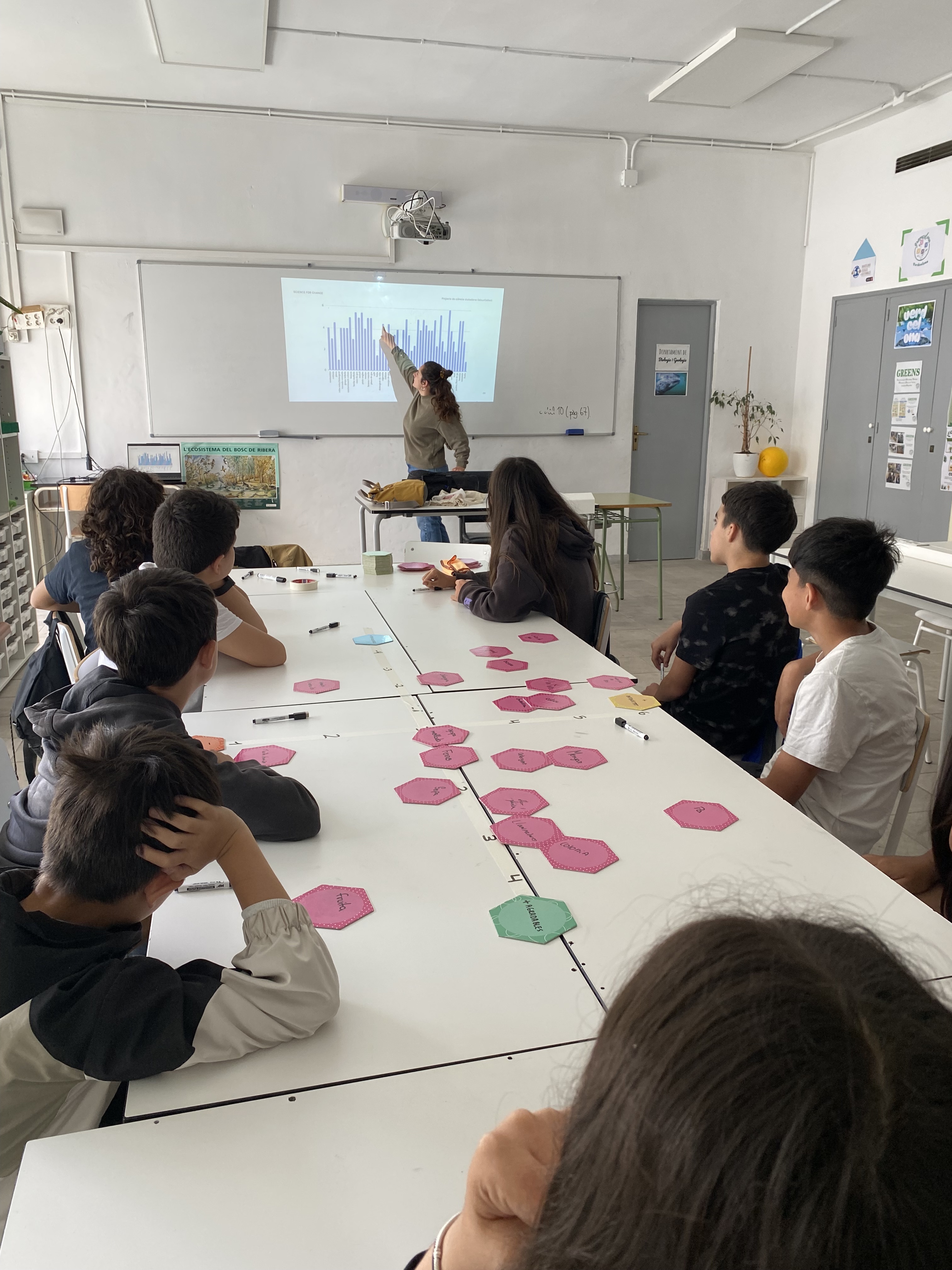
This citizen science initiative, led by Science for Change in collaboration with the Barcelona City Council since 2021, uses the OdourCollect app methodology to help students move beyond theory into real-world environmental research. Students collect and analyse data on odour pollution, linking global sustainability challenges to issues in their own neighbourhoods.
Using citizen science to map urban odours
Urban odours are more than a daily nuisance. They can affect how people experience their surroundings and are increasingly recognised as an environmental and public health concern. Persistent exposure to unpleasant smells has been associated with stress, discomfort, and reduced quality of life, particularly in densely populated areas where emissions are harder to avoid.
Yet unlike other forms of pollution, odours are difficult to measure: they are fleeting, subjective, and shaped by individual perception. This makes them particularly suited to citizen science approaches, where lived experience becomes a form of environmental data.
Turning classrooms into environmental observatories
The “Air Sentinels with OdourCollect in Schools” initiative engages students as active contributors to environmental research, addressing odour pollution as an often overlooked environmental issue. Using the OdourCollect app methodology, students observe and record urban odours in a structured and consistent way, turning their everyday sensory experiences into meaningful environmental data.This initiative is part of the Citizen Science in Schools programme, promoted by the Citizen Science Office of Barcelona and the Barcelona Education Consortium, with the aim of introducing citizen science practices into schools.
First, students are trained to identify and classify odours in accordance with the UNE 77270 standard, a methodology designed to ensure consistent procedures and reporting. They then carry out “odour safaris” in their neighbourhoods,applying the same structured methodology used in the OdourCollect app to systematically record what they perceive.
Back in the classroom, students analyse the collected data and carry out different activities aimed at developing critical thinking and co-creating solutions. Through collaborative work, they interpret the results and reflect on possible actions to address odour pollution in the city.
Impact, Social Implications, and Future Directions
Beyond generating datasets, the programme helps students understand how environmental knowledge is produced and used in decision-making. It builds scientific literacy while also encouraging a sense of agency, showing young people that their observations can contribute to how a city understands itself.
Since its launch in 2021, the initiative has engaged multiple schools each year and provides adaptable educational resources that can be integrated into different learning contexts. Student-generated data is visualised through collaborative maps that show odour patterns across Barcelona in near real time.
The project has been nominated for the Agenda 2030 Barcelona + Sustainable Awards 2026, in recognition of its contribution to sustainability education and citizen science.
Building on this impact, the initiative is expanding with SoundCollect, a tool for monitoring noise pollution alongside odours, positioning schools as long-term hubs for environmental sensing and citizen science practice. Together, these efforts help shape a generation of students who do not only observe their city, but actively participate in understanding and improving it. Science For Change Teresa Magí Joaquim