about European Citizen Science
The European Citizen Science (ECS) project started with a group of people eager to make research a shared journey across Europe, because when citizens and scientists collaborate, we can better solve the challenges facing our society today.
Together we provided the tools, training and networks needed to make citizen science inclusive and accessible to everyone, to make citizen science open, impactful and driven by the people it serves.
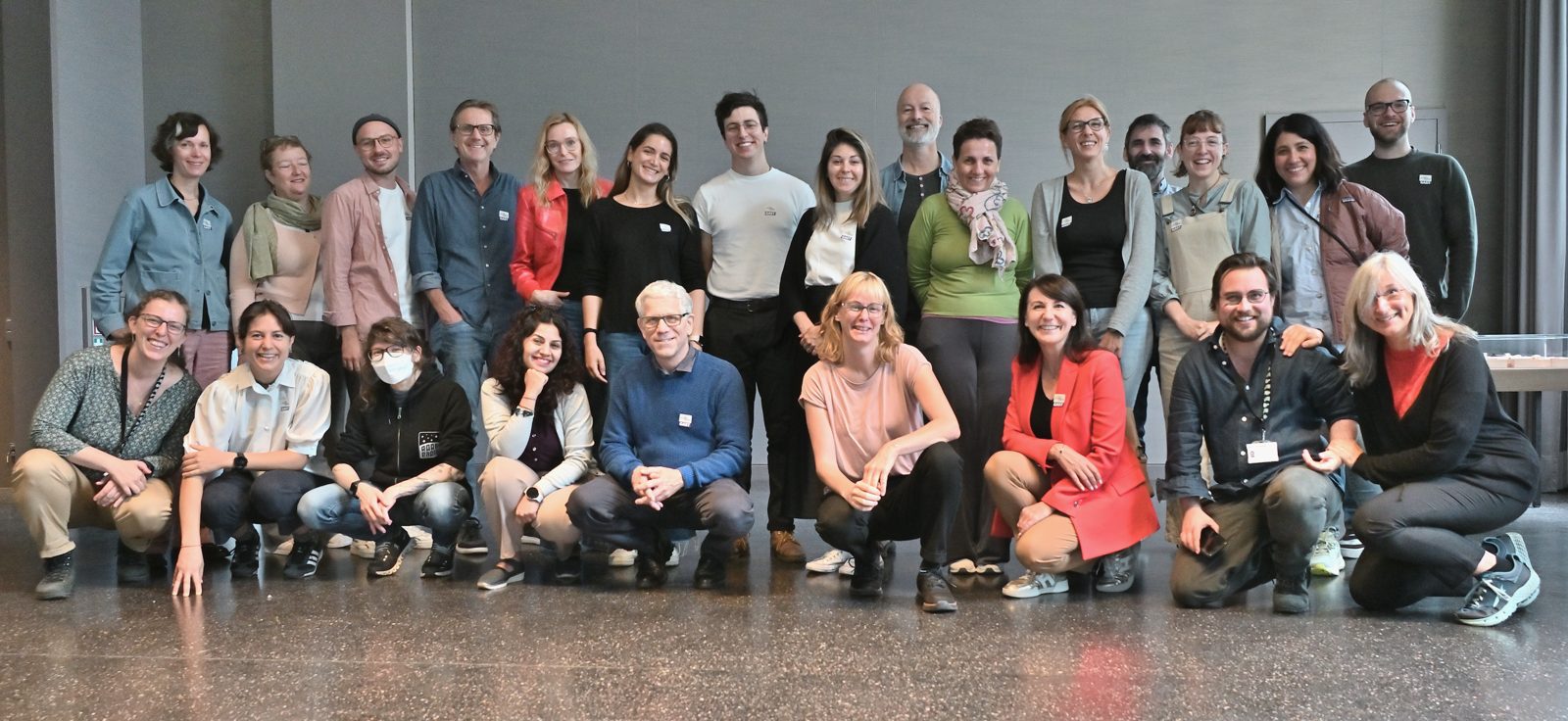
The European Citizen Science 5Cs mission
Creation and sharing of citizen science data and knowledge
Capacity building and training services
Common platform uniting diverse European actors
Contributing to European policy-making
Changing today’s societal challenges into future opportunities through citizen science
The project has ended, but its legacy continues. This page will guide you through our journey and highlights important outputs and activities that remain active. Any suggestions, ideas or comments you want to share, please reach out to the ECSA team.
The ECS journey
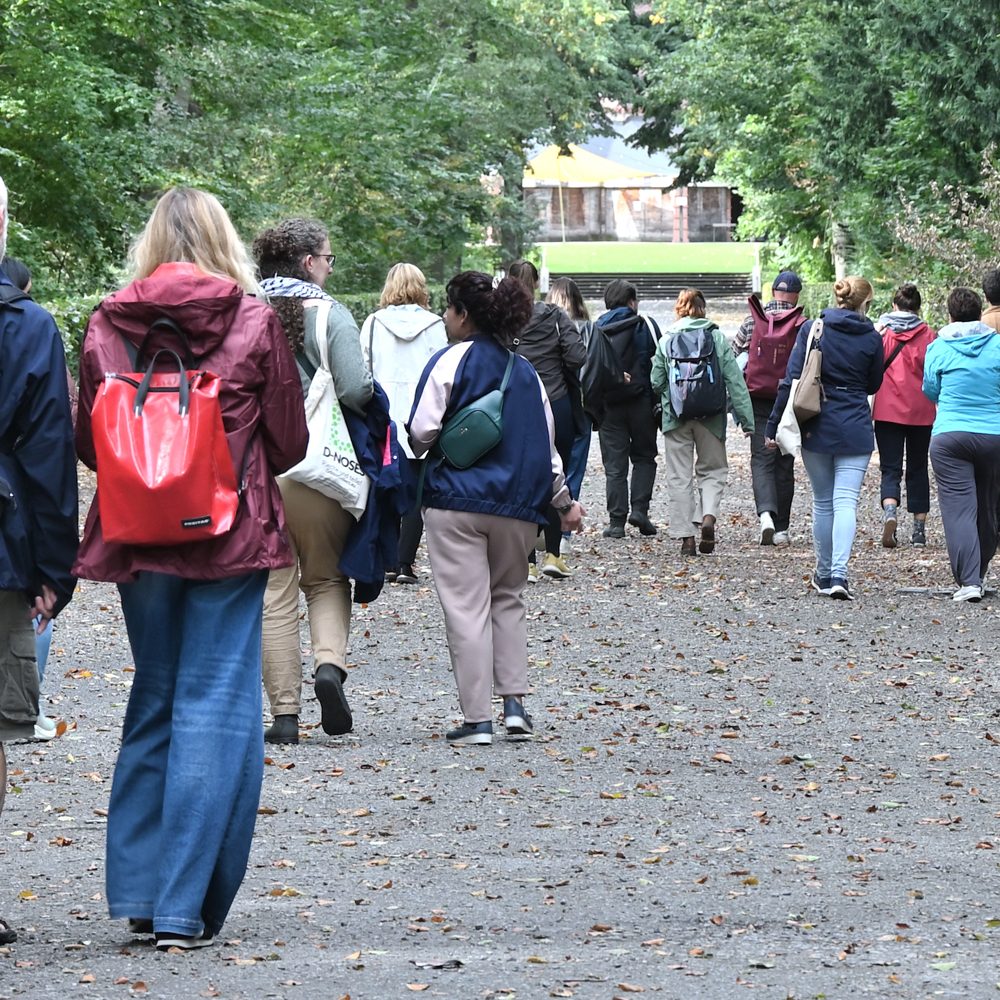
Building on the achievements of previous EU-funded projects, including eu-citizen.science and Cos4Cloud, as well as on the important progress made by the citizen science community in recent years, ECS has helped to strengthen the European citizen science landscape through a combination of shared infrastructure, training, networks, collaboration and capacity building activities. ECS has promoted inclusion and diversity through its activities, events, networks and collaborations. This work has supported a broader understanding of participation in citizen science and has helped create opportunities for different actors and communities.
The citizenscience.eu platform is one of the central elements of the project's legacy. Further developed through a series of co-design activities, it brings together citizen science projects, resources, events, organisations and platforms, offering a shared space where knowledge and experiences can continue to be exchanged and developed.
Another main legacy of the project is the ECS Academy, created as a place to find training opportunities in citizen science. Open to everyone, the Academy offers self-paced courses, a calendar of upcoming trainings, instructor-led courses and support to create or host your course in the Academy. Another important outcome is the Citizen Science Competency Framework developed through one year of collaborative work with more than 160 contributors. The framework describes the skills, knowledge, attitudes and values that characterise participatory research/citizen science practitioners and researchers. It can support individuals reflecting on their own expertise and career development, trainers designing courses and curricula and organisations identifying competencies for citizen science roles.
Through ECS activities, citizen science datasets generated through initiatives such as BioDiverCiutat and BioMARató, and managed through the MINKA platform, have been transformed into learning opportunities within the ECS Academy. Using real-world datasets and tools such as MECODA, participants have strengthened their digital skills, data literacy and understanding of FAIR data practices across the full citizen science data lifecycle. You can also do this by enrolling in our data analysis course through the ECS Academy.
ECS has worked to connect people, organisations and communities across Europe. Through the ECS ambassador programme, the network brought together 28 Citizen Science Ambassadors representing Europe and the UK, selected through an open call. Their role was to act as local representatives and promoters of citizen science and of the ECS project in their respective countries. They supported community building, helped promote the citizenscience.eu platform, shared ECS activities and opportunities, and contributed to strengthening the links between European, national and local citizen science communities. Alongside the Ambassadors, ECS strengthened existing links and forged new ones, leaving a legacy of several networks that continue the work beyond the project lifetime.
ECS has also explored how citizen science creates change in society. Through two books of impact stories from across Europe, the project has collected examples of citizen science efforts that contribute to more inclusive and sustainable futures. These stories show how citizen science can support communities, research and decision making, including through policy and economic impact at regional, national and international level. A key component of this work was our engagement of industries where we identify several benefits both to the industry sector and to society at large but also important challenges to consider when bringing together these communities with strong differences in terms of how they view citizens' contributions.
Change needs to be accompanied by strong policies so that it is sustained long term. During ECS we organised a series of policy events online and in person targeting different stakeholders and geographical regions. This culminated in a High level policy event in Brussels where we presented possible scenarios showcasing the long term consequences of different levels of investment in citizen science.
Beyond the project lifetime, ECS leaves behind structures designed to continue and grow. The citizenscience.eu platform, the ECS Academy, the ambassador programme and the different ECS networks will remain at ECSA. Together, they form part of a living European citizen science ecosystem: a space for learning, collaboration and shared action, where the work of ECS can continue to grow.
Explore our project legacy page to find out more and don't leave without watching our videos: