Create a profile for your citizen science platform or network
ECS final event series 2026
ECS final event series 2026: A celebration of the ECS archipelago
The ECS project aims to celebrate the project's achievements and consolidate its legacy through a series of interconnected final events. Instead of a single gathering, ECS will host a distributed series of events designed to highlight all the different islands in our archipelago within the vast ocean of citizen science. Through these multiple events, the aim is to reach the majority of the project's target audiences, from researchers and practitioners to policy makers, librarians, educators, the private sector, and the public.
Event series overview
6 March 2026 · Oulu, Finland
Citizen Science Festival
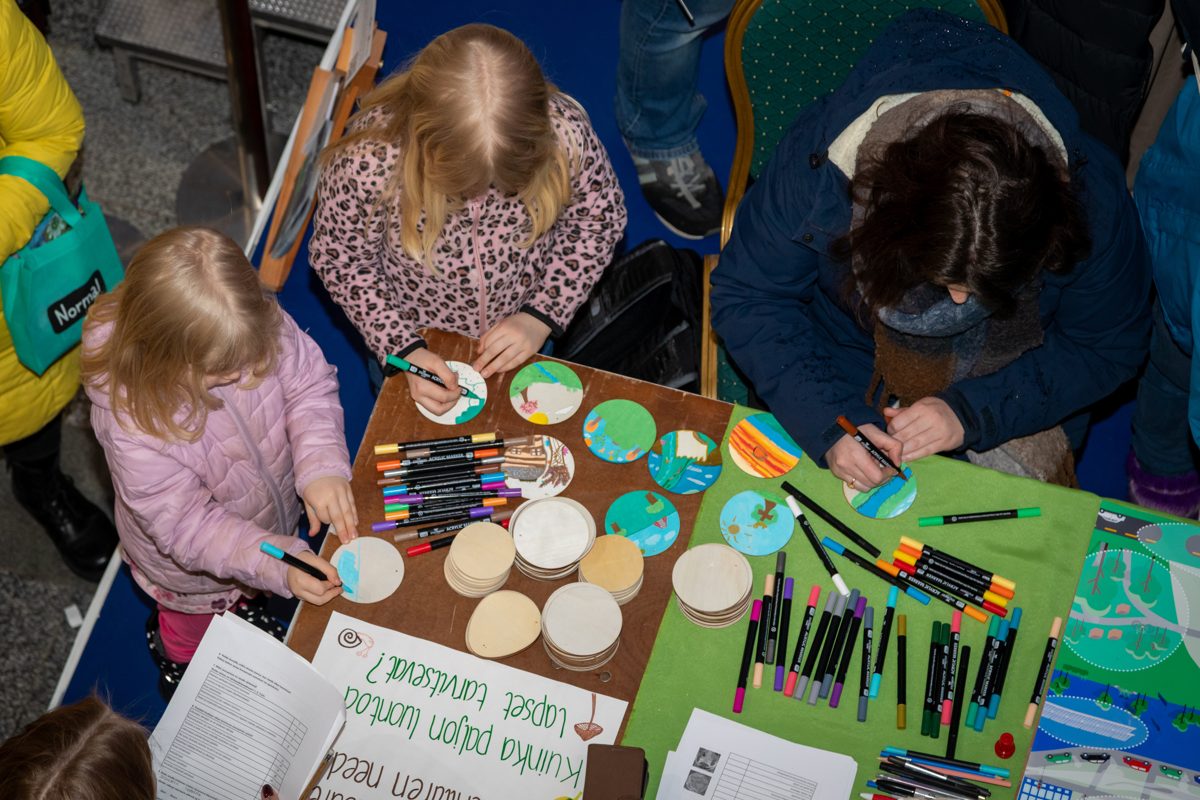
This festival took place in the Valkea shopping mall of the city, was open to the public and designed to bring citizen science directly into the heart of Oulu and into the daily lives of its people, leveraging the opportunity of the European Capital of Culture in 2026. It offered an opportunity to use a lively public open space to engage passers-by, people who might not otherwise take part in a citizen science festival. The festival was about sharing the joy and impact of citizen science initiatives with everyone. The ECS project co-organised this festival with the University of Oulu and the European Citizen Science Association and as part of the ECSA2026 conference, and selected more than 20 citizen science initiatives to be featured. Highlights of the festival are available on the ECSA Flickr account and in a dedicated blog post ‘A celebration of the ECS archipelago: Citizen Science Festival in Oulu, Finland’.
4 June 2026 · Brussels, Belgium
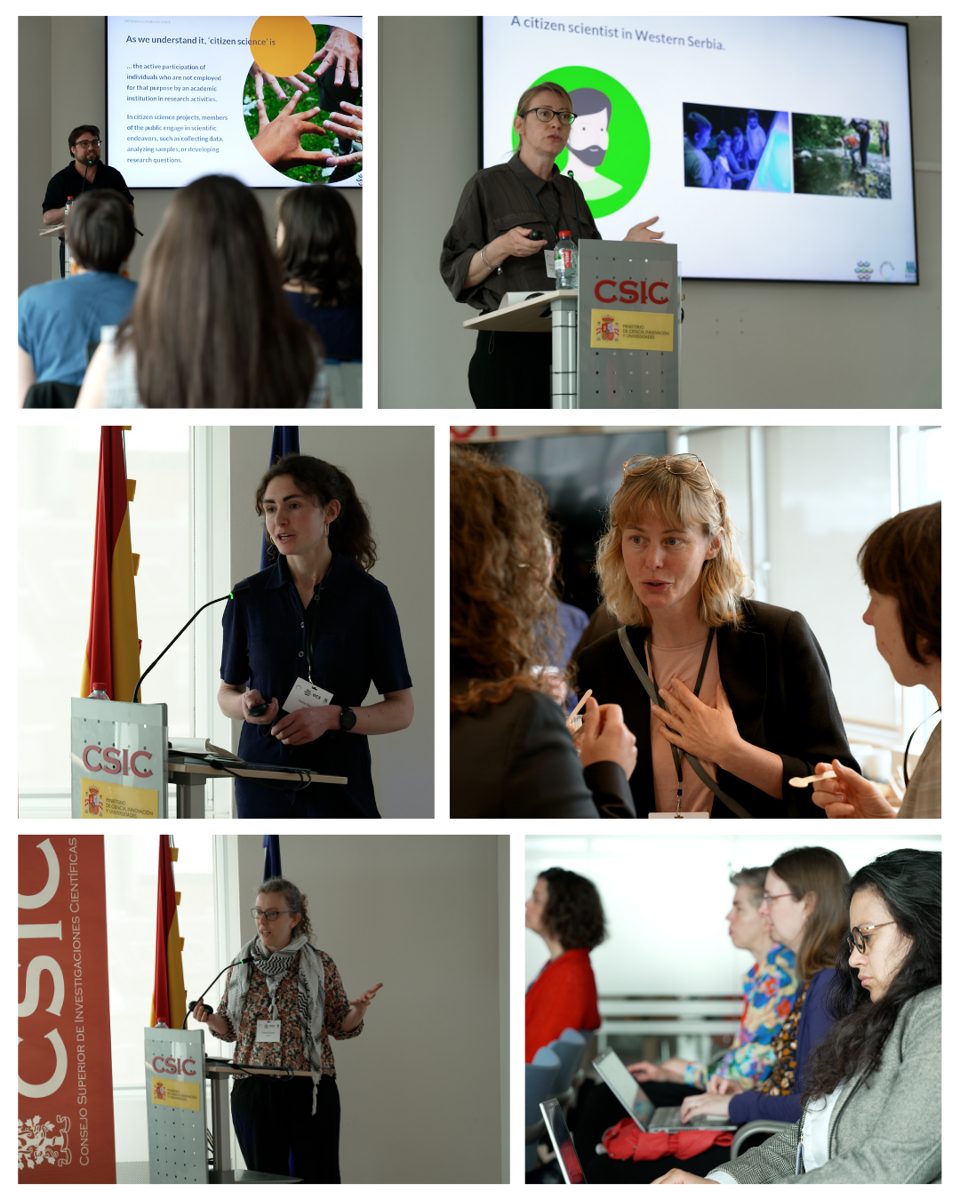
Strengthening Public Engagement in Research: Evidence, Impact, and Future Pathways
Public engagement offers science and policymakers a strong return on investment by delivering scientific, environmental, and societal benefits at relatively low cost while strengthening democratic engagement. By involving the public directly in generating knowledge for policy, it increases transparency, builds civic skills, and fosters trust in institutions. At a time of declining trust in science and growing mis- and disinformation, citizen science helps reconnect knowledge, citizens, and policymaking. To convince our audience of how important more investment in citizen science is, we showcase a series of eye opening numbers followed by the stories of Masha, Luca and of dozens of women in Catalonia who decided to find solutions through citizen science.
Citizen science is already creating data that supports EU priorities such as the Air Quality Directive, the Nature Restoration Regulation, and the EU Mission on Adaptation to Climate Change, while contributing to initiatives like the European Democracy Shield and the Union of Skills. Are you convinced?
Help us convince your local politicians and your MEP representative. We want a future where research and policymaking remain inclusive, trusted, and impactful. For this we need funding programmes and policy frameworks that support more civic participation in research.
This event was organised together with IMPETUS and RIECS-Concept projects to make a case towards guaranteeing the future of citizen science. You can hear more about it on our ECS podcast hub and in this blog post.
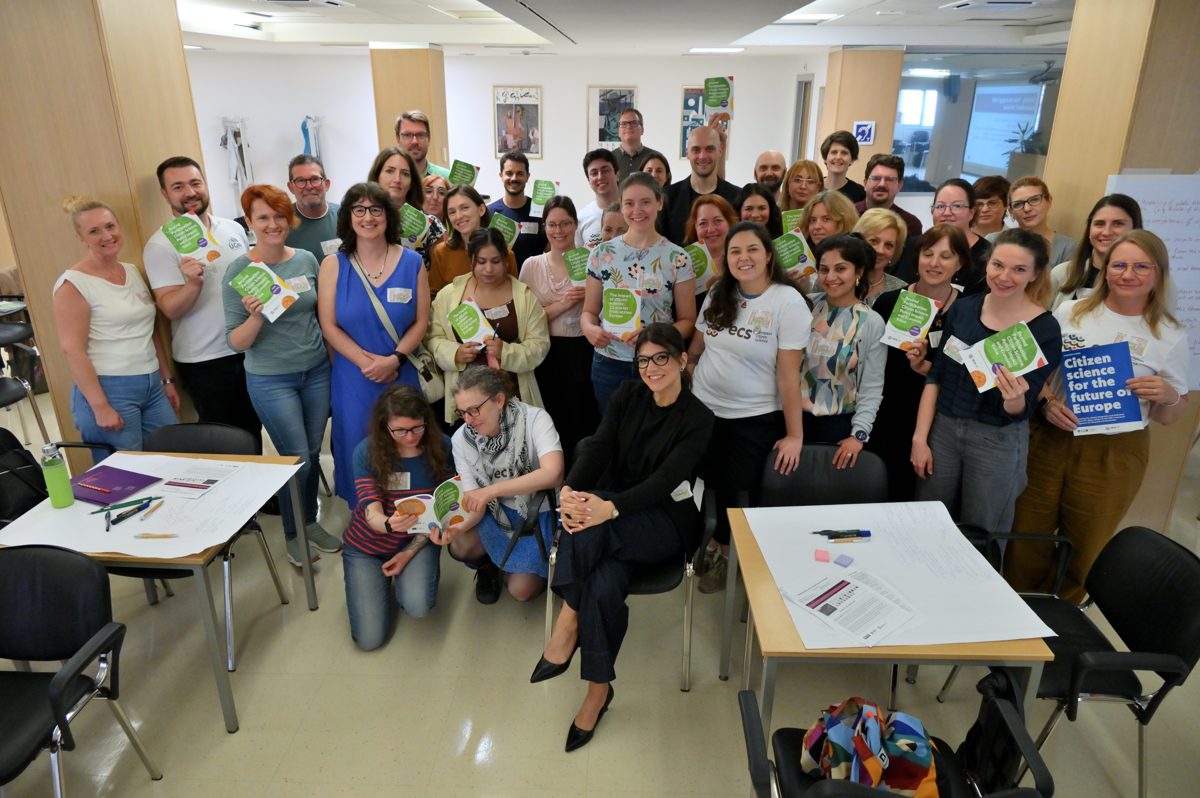
Organised in collaboration with the public libraries in Slovenia and the Slovenian Citizen Science Network, this event leveraged relevant results of the project to provide capacity to local public libraries and raise awareness on the pivotal role of community hubs, such as public libraries and other networks, in bringing citizen science closer to their communities.
Public libraries have been doing citizen science for a long time, often calling it something different. They have a lot of knowledge about their communities and how to engage them long term. Something we, the citizen science community, need. We bring knowledge of research practices and how to engage researchers. This makes for a perfect partnership. By showcasing how these spaces foster participation and inclusion, this event strengthened participants' capacity to build bridges and design and implement citizen science initiatives.
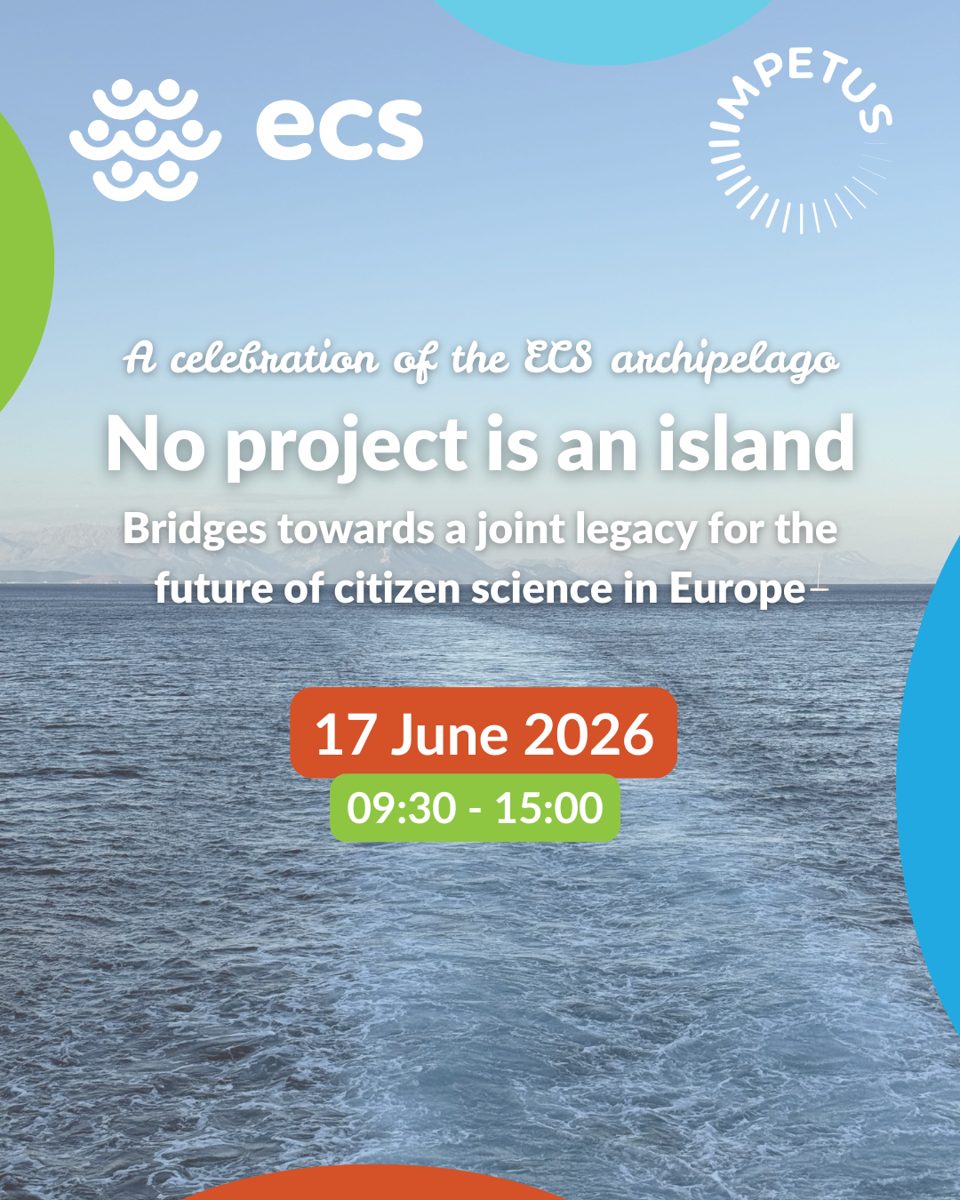
No project is an island — Bridges towards a joint legacy for the future of citizen science in Europe
Citizen science thrives on collaboration between researchers, policymakers, innovators, and the public. Yet within the citizen science community itself, a critical question remains: do we have the infrastructure to enable effective, lasting knowledge exchange across initiatives and projects? No project operates in isolation, and the collective learning generated across the field represents an underutilised asset for science and policymaking alike.
At a time when public engagement is increasingly recognised as essential to rebuilding trust in institutions and tackling mis- and disinformation, the connections we build within the citizen science ecosystem matter more than ever. Sharing what works and what doesn't strengthens the community's capacity to deliver the scientific, environmental, and societal benefits that make citizen science a genuine return on investment for Europe.
This summer, both the ECS and IMPETUS projects reached their conclusion. Before they did, we invited the citizen science community to come together to reflect on how these projects have supported citizen science across Europe and to celebrate the real-world impacts this work has made possible. The event also provided an opportunity to hear from new and established citizen science projects, alongside stakeholders and decision-makers, ensuring that the momentum built can be sustained and that science continues to serve the society it represents.
Highlights about this event can be found here and on the event page.