ECS Key results
Infrastructure
Platform co-design
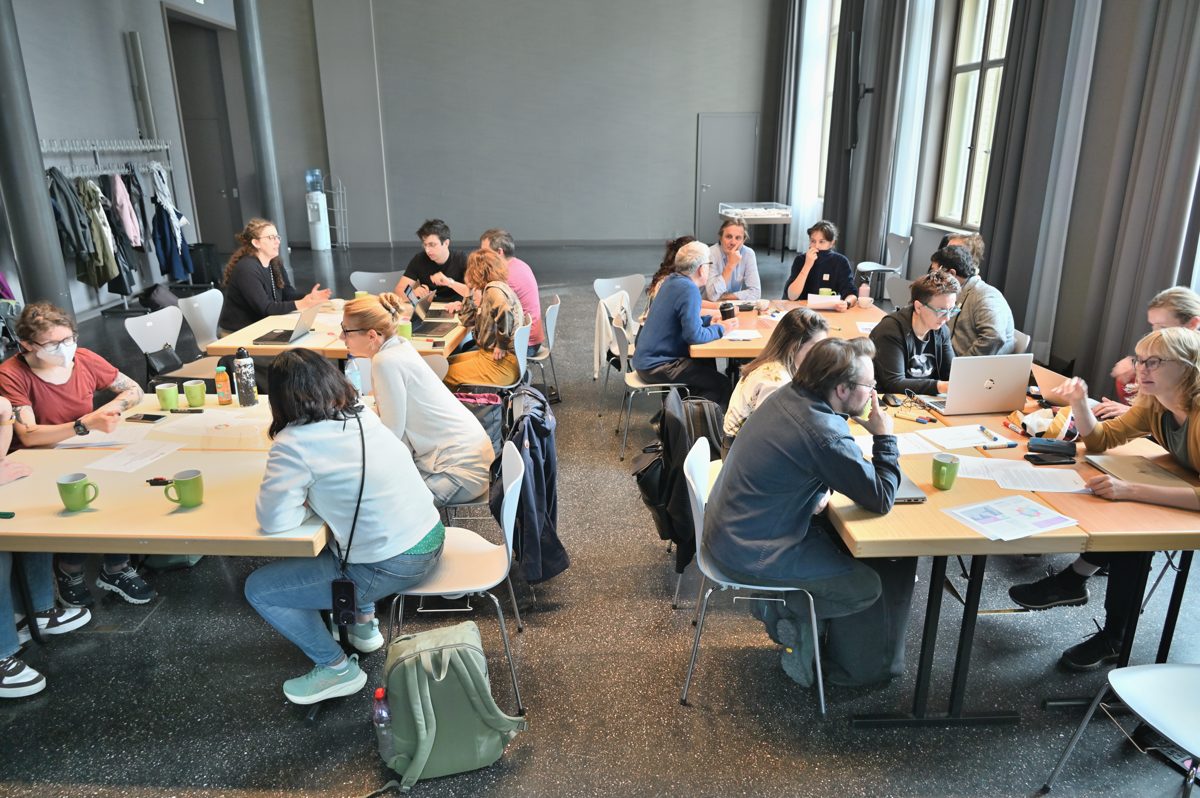
Throughout the project we engaged our community to look deeper into the platform and identify what functions and services could be missing. Through a yearly co-design cycle — from the asynchronous identification of community needs, to the participatory selection of new services, to hands-on co-design and testing workshops — that shaped three annual releases of the platform. Together with the community we delivered, among others, a complete redesign of the user experience and interface, a multilingual translation system, better ways to locate and showcase projects, the integration of the ECS Academy as the platform's central training space, and a public statistics page, culminating in the platform's new identity as citizenscience.eu, the shared digital home of the European citizen science community. The platform's open-source code and API have also enabled national citizen science platforms — from Portugal and the Netherlands to Brazil — to build on and connect with it. As a result of this a working group was maintained — The ECS Platform working group — to support ECSA in engaging the community in driving the future of the ECS platform and its sister platforms.
The ECS Academy
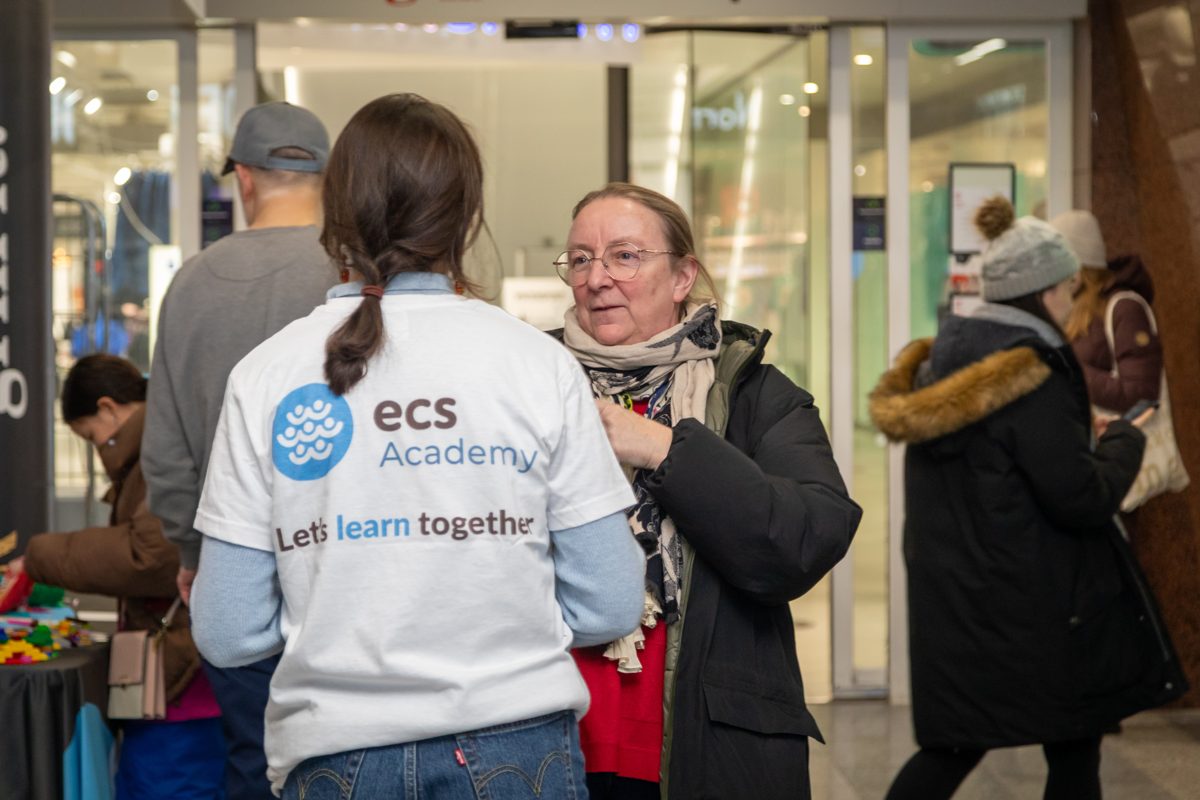
During the DITOS project (2016-2019) the need for a more robust strategy for capacity-building in citizen science became clear. Through the EU-Citizen.Science and ECS project this was consolidated with a learning hub, the European Citizen Science Academy (ECS Academy). There you can find online self-learning courses (see course manual) and resources to equip you with knowledge about citizen science. Whether you are new to the area or experienced there are courses for you. You will also find information about instructor-led trainings that you can join. Together with the network of citizen science educators and trainers we developed the blueprint of the ECS Academy which served as the basis for the operation of the ECS Academy. Together with the community the ECS Academy will continue to grow and create learning journeys towards the 7 key competency areas for citizen science as defined in the Citizen Science Competency Framework. During the ECS project we created a business plan for the ECS Academy to sustain its maintenance and growth under the coordination of the ECSA HQ team.
We invite you to create an account and start your learning journey here.
The Impact of Citizen Science
ECS explored the impact it could achieve – on citizen science and through citizen science – around six core areas:
- Social/societal impact
- Covers both smaller-scale changes on a more individual level and larger-scale changes through which citizen science might affect society. This includes for instance the creation and strengthening of communities, individual and collective empowerment, effecting changes in behaviour and attitudes, and supporting the acquisition of new knowledge and skills.
- Political impact
- Refers to changes brought about on a policy and decision-making level which among others entails the use of datasets, knowledge or other outputs developed by citizen science initiatives as an evidence-base to develop policies, to make policy decisions or to implement activities on that level.
- Scientific impact
- Focuses on the academic sphere and entails adaptations that allow for citizen science to thrive, integrating it into the processes of scientific innovation and knowledge production to create new and high-quality results in better alignment with societal needs. It is about engaging scientists and research organisations to achieve a greater acceptance of, but also a greater capacity to do citizen science and Open Science. Through this, human capital in R&I is strengthened and the diffusion of knowledge and Open Science is fostered.
- Institutional impact
- Is about sustainable changes within organisations to enable and promote citizen science and public engagement in science and technology. It entails setting up clear procedures, structures and regulations that allow for the consistent implementation of citizen science processes at a high level of quality. It also implies building up the necessary institutional expertise to do so.
- Technological impact
- Focuses on understanding technological improvements to respond to data gathering, analysis and dissemination of citizen science initiatives. It entails the involvement of citizens in technology development and enabling them to make meaningful contributions, ensuring that technology is better aligned with societal needs and is accessible to a wider range of users. The impact of citizen science on technology is multifaceted, could empower individuals, promote collaboration, improve digital skills and literacy of participants, and advance technological developments for the benefit of society.
- Economic impact
- Is centred around understanding the distribution of direct and indirect benefits that the implementation of citizen science can bring to organisations, communities, science, and society. This encompasses the examination of how citizen science initiatives contribute to economic growth, job creation, environmental sustainability, science education, and citizen empowerment. The analysis of the economic aspects of citizen science brings insights into the tangible and intangible value it generates, both in terms of financial outcomes and broader societal benefits.
ECS developed two books of Impact Stories to show the ways citizen science efforts can affect people, communities, and policies:
The impact of citizen science: 12 stories from across Europe
In this book, we tell 12 impact stories from citizen science efforts implemented across Europe. They serve as examples of how citizen science can create change with and for our society with the aim of achieving a more inclusive and sustainable future.
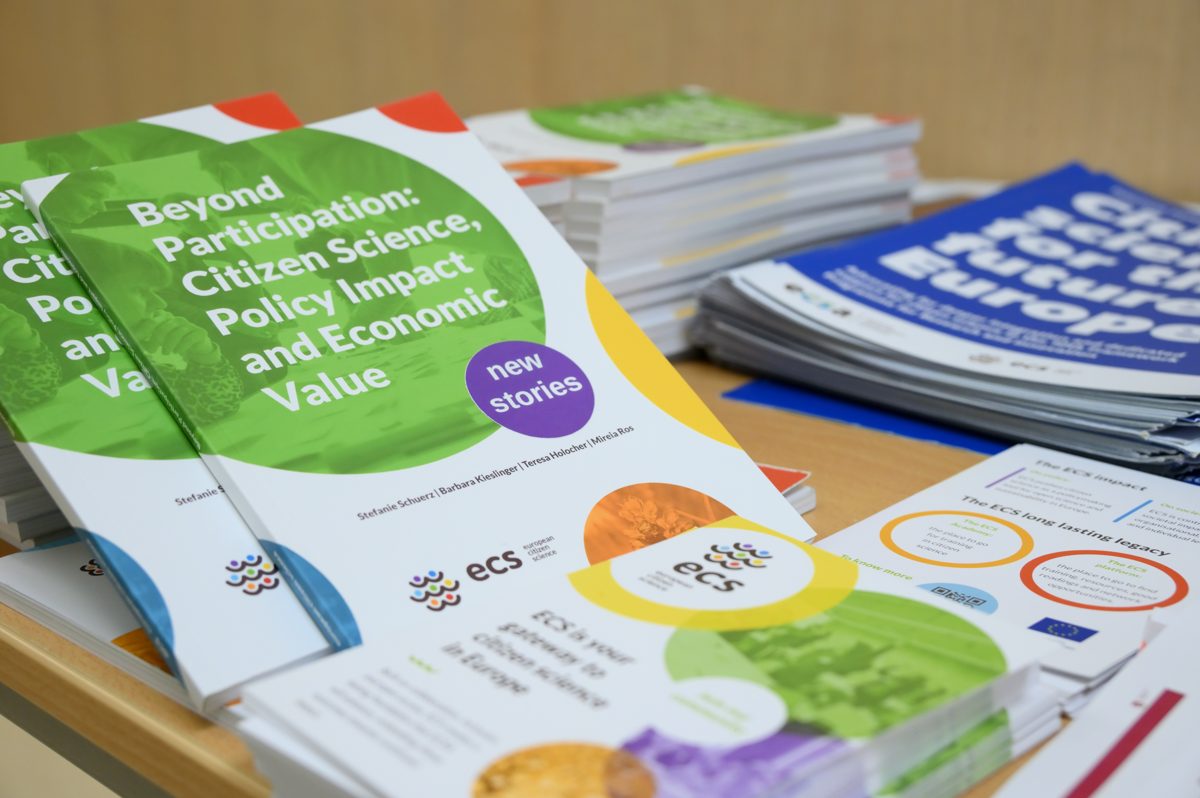
Beyond Participation: Citizen Science, Policy Impact and Economic Value
This book illustrates how citizen science efforts create policy and economic impact on a regional, national and international level. The impact stories showcase what can be achieved when municipalities, ministries, (inter-)national funding bodies, and the private sector invest in citizen science, and how this is beneficial for European societies.
Citizen Science in industries

The ECS project explored how CS is embedded in one of the most underrepresented stakeholder groups within the quadruple helix: the private sector. To do so, a conceptual CS pilot was carried out with SMEs from Spain, Portugal, and Italy between October and December 2025. The activities lasted six weeks and followed a common structure: an introductory presentation and three online working sessions of approximately two hours each, held around two weeks apart.
The participating SMEs were divided into two groups. The first included organisations whose core activity is citizen science. For them, the main motivation was to identify structures that could support their work over time, as their key challenge is sustainability, particularly due to their dependence on short-term, project-based funding. The second group included SMEs interested in integrating CS as a complementary activity aligned with their strategic and innovation goals. These companies approached CS from an exploratory perspective, seeking to access European research and innovation funding, test and validate products, and develop educational or awareness-raising activities with social or environmental value. Their main challenge was a lack of familiarity with CS methods, which often contrasts with standard business planning processes.
The pilots showed that CS can offer several benefits for SMEs. On the one hand, it can help generate data on behaviours, preferences, and real-world conditions, providing insights for product development, service improvement, and strategic decision-making. On the other hand, it can also strengthen Corporate Social Responsibility and Environmental, Social, and Governance practices by engaging communities in transparent and participatory processes. In addition, CS can facilitate access to European funding opportunities, foster collaboration and knowledge exchange, increase visibility and legitimacy, and enhance the reputation of products or services, including among younger professionals.
However, these benefits are accompanied by important risks and challenges. CS initiatives involving SMEs may raise concerns about greenwashing or social washing, as well as the potential confusion between voluntary participation and exploitation. Tensions can also emerge between open data principles and commercial interests, particularly regarding personal data protection, data ownership, access, and long-term governance. Moreover, not all companies or project ideas are compatible with CS principles. It is therefore essential to assess whether an organisation's values, practices, and objectives align with CS ethics before collaboration takes place. We have published guidelines for the embedding of CS practices within Industries and SMEs that expand more on this topic.
Integrating citizen science into the private sector presents a powerful opportunity for SMEs to drive innovation with societal impact. However, to successfully harness its potential, companies must navigate the delicate balance between commercial interests and open science, ensuring ethical alignment, transparency, and sustainable structural planning.
Enhancing data literacy
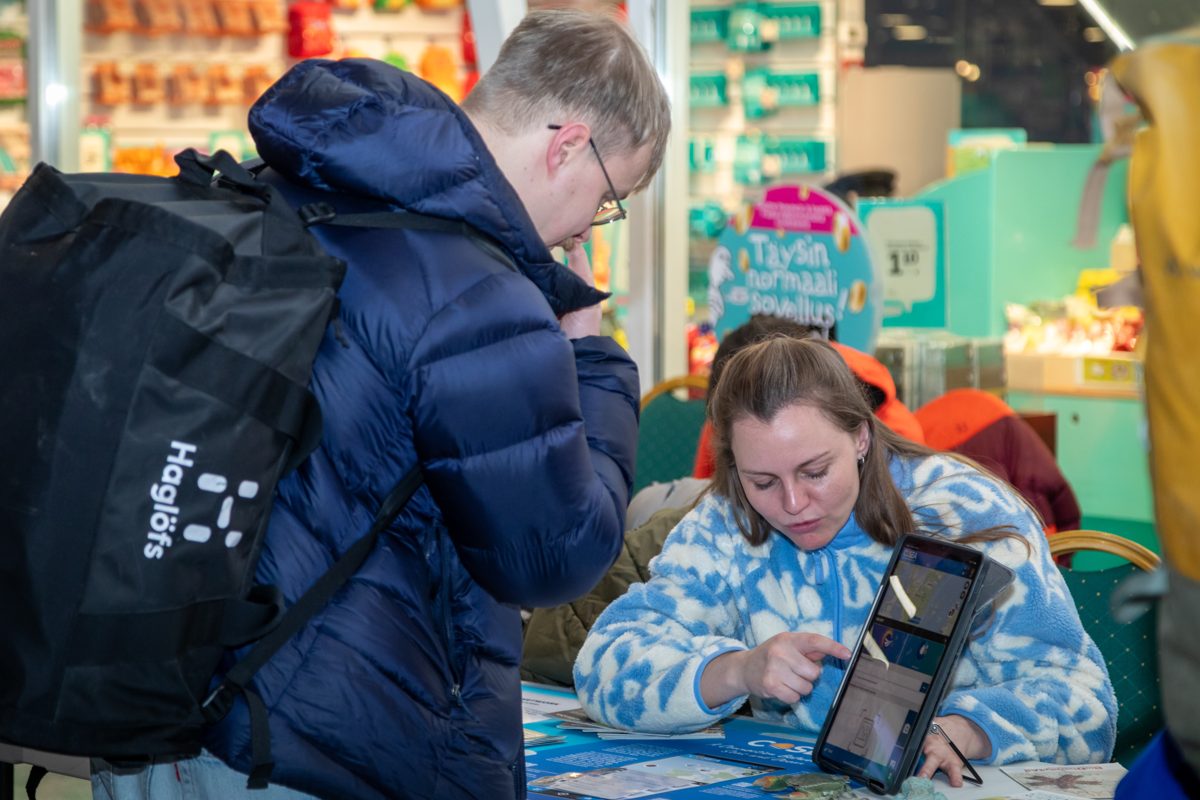
A key legacy of ECS has been its contribution to strengthening data literacy within the citizen science community. ECS supported participants not only in collecting data, but also in understanding how citizen science data can be managed, analysed, reused and transformed into knowledge. This work was built around real-world datasets generated through citizen science initiatives such as BioDiverCiutat and BioMARató, managed through the MINKA citizen science platform. MINKA provides a collaborative space for biodiversity observations, supporting data collection, validation and reuse. Within ECS, these datasets were used as practical learning resources in training and capacity-building activities.
Participants worked with citizen science data through datathons, workshops and reproducible analytical workflows using tools such as MECODA. These activities helped strengthen digital skills, data literacy and FAIR data practices, while connecting the full citizen science data lifecycle: from data collection and management to analysis, interpretation and knowledge generation. These resources are now being integrated into ECS Academy training materials and courses, helping ensure that the skills, tools and datasets developed through ECS remain available beyond the project lifetime.
Policy advocacy
Updated SDG declaration
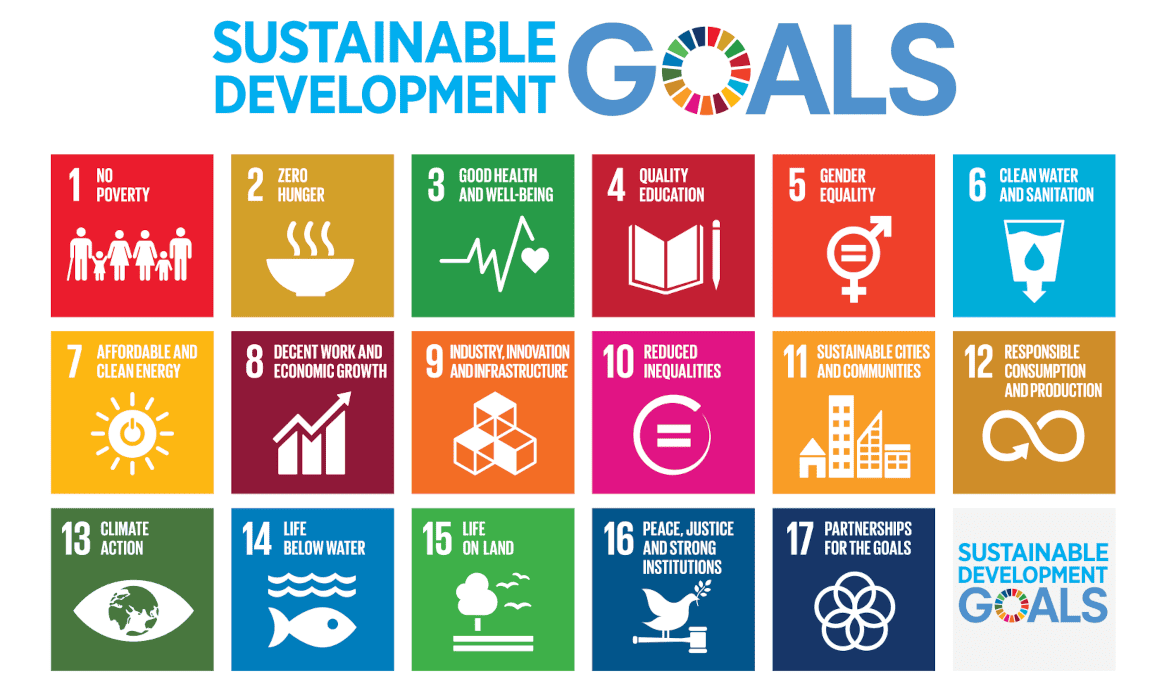
This declaration builds on the original CS SDG declaration “Our world – our goals: citizen science for the Sustainable Development Goals”, which was drafted in the run-up to the conference “Knowledge for Change: A Decade of Citizen Science (2020–2030) in Support of the SDGs”, held in Berlin in October 2020 as part of Germany's EU Council presidency.
Developed through a collaborative co-design process with citizen science experts and practitioners, the updated declaration sets out a shared vision and a series of recommendations to strengthen the role of citizen science in achieving the Sustainable Development Goals.
Read the declaration and add your endorsement here.
Policy briefs
One of the core tasks of the ECS project was to develop actionable policy recommendations together with policy-makers, funders, and other key stakeholders.
The work began with an EU-level policy co-design workshop, which served as both a pilot and a forum to validate the workshop approach. Building on this, a series of national policy co-design workshops was organised, recognising the important role of national governments in shaping research policy, funding frameworks, and incentive systems. Using a backcasting approach, the participants were invited to identify desirable futures for CS and Open Science and work backwards to define the necessary policy interventions. To broaden participation beyond the project consortium, the ECS consortium launched an open call for ECS Ambassadors, supporting the organisation of additional workshops in non-partner countries. Across the workshops, which were held in Spain, Poland, and Portugal, 71 representatives from academia, policy, industry, and civil society contributed their perspectives on how to create enabling environments for CS within Open Science.
The workshop results were synthesised into a set of policy briefs that highlight country-specific needs and provide practical guidance for policy-makers, funders, and CS advocates. All policy briefs are available for download on Zenodo:
- Spain: Ros, M., Arias, R., Serrano Sanz, F., & Vilaseca, H. (2025). Policy recommendations for an increased support of citizen science in Spain. Zenodo. https://doi.org/10.5281/zenodo.14925234
- Poland: Ros, M., Tomaszek, A., Gawrońska-Nowak, B., Zarzycka, A., & Vilaseca, H. (2025). Policy recommendations for an increased support of Citizen Science in Poland. Zenodo. https://doi.org/10.5281/zenodo.16028717
- Portugal: Masson M, Luís C, Magalhães J, Navalhas I, Ros, M, Vilaseca H. (2025). Policy recommendations for an increased support of citizen science in Portugal. Zenodo. https://doi.org/10.5281/zenodo.16422177
High-Level Policy Events
Over the course of the ECS project, 6 high-level policy events were organised between March 2024 and June 2026, with the aim of sharing experiences and lessons learnt, stimulating reflections and advocating for a stronger uptake of CS as a valuable tool for research and policymaking.
Three of these events were held online. The first explored the role of citizen science in reforming research assessment and redefining scientific excellence. The second examined challenges, opportunities and strategies for boosting citizen science contributions to sustainable development, both within the SDG framework and beyond. The third focused on how citizen science can be sustainably embedded within research systems and institutions, with particular attention to the role of research infrastructures in supporting its long-term development. Each online event featured an expert panel and attracted between 70 and 130 participants.
Two further high-level policy events took place as panel sessions at the ECSA Conferences in Vienna (2024) and Oulu (2026). The Vienna session explored current trends and future developments in citizen science within and beyond Europe, while the Oulu panel presented case studies on policy impact through CS, covering a broad range of topics, including the Sustainable Development Goals (SDGs), public health policy, and supply chain monitoring.
The final high-level policy event took place in Brussels in June 2026 and was organised in collaboration with the RIECS-Concept and IMPETUS projects. The event showcased outputs and impacts of lighthouse citizen science projects across Europe and presented future scenarios for CS in several scientific fields. It highlighted the important role that citizen science already plays in addressing pressing societal challenges and supporting the implementation of key EU missions and policy objectives, while also emphasising its significant untapped potential, which can only be realised through sustained support and investment at all levels of governance.
To move beyond a conventional policy event format, a Berlin-based design agency was commissioned to develop a visually engaging presentation that combined evidence and data with a narrative, storytelling approach. The presentation has been made publicly available on Zenodo and is accessible here. During the event, the newly published second volume of the citizen science impact stories, “Beyond Participation: Citizen Science, Policy Impact and Economic Value”, was also introduced. The event concluded with a dedicated networking session, providing participants with an opportunity to discuss the presented findings and exchange perspectives.
Recordings of the three online events can be found on the ECSA YouTube channel:
Inclusion
Inclusive pilots
Widening who takes part in citizen science was a core aim of the ECS project. Seven inclusive pilots were carried out by project partners and affiliated entities between 2023 and 2025, each working with a group that is often left out of (citizen) science: older adults, migrants, fishing communities, hunters and fishers, young people facing barriers to education, deaf and hard-of-hearing adults, and young children. Stickydot coordinated support across the pilots and the accompanying library events, offering an outside perspective that helped pilot leads spot blind spots, track progress, and work through challenges as they came up.
The pilots were deliberately varied. Science for Change worked with older adults in Barcelona to monitor odour pollution, pairing the OdourCollect app with artistic workshops for those less comfortable with technology. The Museum für Naturkunde Berlin ran BioBlitz events with teenagers from an integrated secondary school in Germany, combining the iNaturalist app with a pen-and-paper “BioBlitz Bingo”. Ibercivis brought migrants from Latin American communities in Zaragoza into discussions on climate change adaptation. Blue World Institute continued its long-standing work with Croatian fishing communities to track dolphins and other marine life. Nordeco's PISUNA programme in Greenland supported hunter and fisher communities in monitoring living resources and feeding their observations into local quota and policy decisions. Universidade Lusófona involved kindergarten children in Portugal in mapping and caring for urban rivers. And Web2Learn created pathways for deaf and hard-of-hearing adults in Greece to take part, working through an association they already trusted.
Across these very different settings, some consistent lessons emerged. Co-creating with communities from the outset mattered more than any single method. Digital tools often created barriers rather than removing them, so the most successful pilots offered a mix of digital and analogue ways to take part. Trust took time to build, frequently longer than a project cycle allows. And participants valued being heard and having their knowledge recognised as much as the scientific results themselves.
Stickydot compiled these findings and drafted practical recommendations for inclusive engagement. These can be found in the Guidelines for Openness and Diversity in Citizen Science, which we hope can support others working to make citizen science more open to everyone.
Public library pilots

Public libraries proved to be valuable partners in opening citizen science to wider audiences. As trusted institutions with a physical presence in their communities, varied audiences, and a mission centred on access to knowledge, they are well positioned to reach people who are often distant from scientific activities. Through the Public Libraries 2030 network, ten libraries across Europe organised citizen science events during the project. Stickydot coordinated support for the participating libraries, as it did for the pilots, accompanying them as they engaged with a way of working that was often new to them.
The events took different forms depending on each library's context. In Latvia, the Valmiera library network collected local place names across more than 30 libraries, with seniors contributing stories on paper and teenagers handling the digitisation. In Poland, the Municipal Public Library in Kudowa-Zdrój developed an insect monitoring project together with a nearby national park, including a Citizen Science Day and research kits available for borrowing. In Finland, Helsinki's Viikki Library organised short, well-supported nature walks for seniors using the iNaturalist app. In Denmark, the Aarhus libraries hosted ten citizen science projects for visitors to try out, and in Greece, the Veria Central Public Library connected high school students with researchers, including scientists from CERN, through a virtual masterclass.
The events also highlighted a recurring challenge. Many library staff were not familiar with citizen science, and some came to realise that they had already been carrying out such activities without naming them as such. Others tended to return to more familiar science communication formats, which shows that community partners need dedicated support to move towards participatory research. To share the lessons learned, Stickydot organised a mutual learning session that brought library representatives and pilot leads together to discuss the challenges they had in common.
The insights from these events contributed to the Guidelines for Openness and Diversity in Citizen Science, which provide libraries and other community partners with practical guidance for developing citizen science further.
Workshops
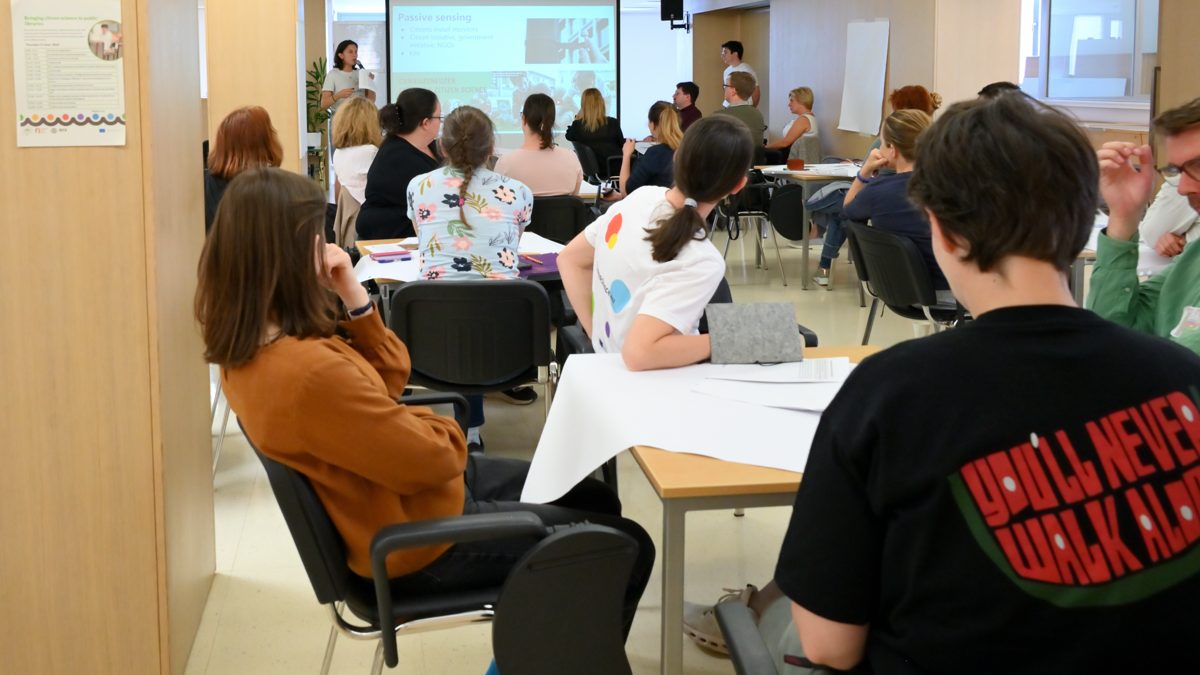
During the ECS project, four inclusivity pilots were implemented through a series of workshops, each with a different but complementary objective. The first workshop had a broader scope, focusing on how to promote inclusivity and empowerment of all citizens in European citizen science projects, with attention to geography, gender, ethnicity, disability, age, and socio-economic backgrounds. The second workshop focused on building capacity on inclusivity and empowerment in citizen science by helping practitioners identify barriers to the participation of underrepresented groups and explore strategies to overcome them. The third workshop aimed to support peer learning and build transferable skills to integrate a gender dimension in citizen science, bridging lost knowledge and co-creating inclusive, participatory approaches for health research and systems. Finally, the fourth workshop explored how impact can be understood and evaluated in culture, art, and education through collaborative, participatory, and citizen-centred approaches.
Together, these workshops contributed to knowledge transfer and capacity building among citizen science implementers by combining practical examples, peer exchange, and participatory reflection. They generated insights on how to design more inclusive activities, engage diverse communities throughout the research process, and address ethical and methodological challenges. One of the main outcomes was the identification of Inclusivity Principles in Citizen Science, included in the Guidelines for Openness and Diversity in Citizen Science, covering safe spaces, inclusive communication, community representativeness, recognition of different forms of knowledge, strong relationships with local communities, attention to diverse needs and motivations, and the engagement of diverse groups across the whole research process.
Citizen Science Lighthouse
The Citizen Science Lighthouse is the bimonthly digital magazine of the ECS project. In addition to the usual news from the community and differently from traditional project newsletters, it has the structure of a proper magazine. Every issue offers readers some long and good reading on topics of interest for the community. The long articles, classified as Focus, are written by different authors and enhance the work done by the ECS collaboration group. You can read all the past issues of the digital magazine here.