ECS Networks
A fundamental legacy of the ECS project is the relationships created along the way. In each of the sections below you can read about the story of the different ECS networks and where you can find them now that the project has ended.
Collaboration sessions
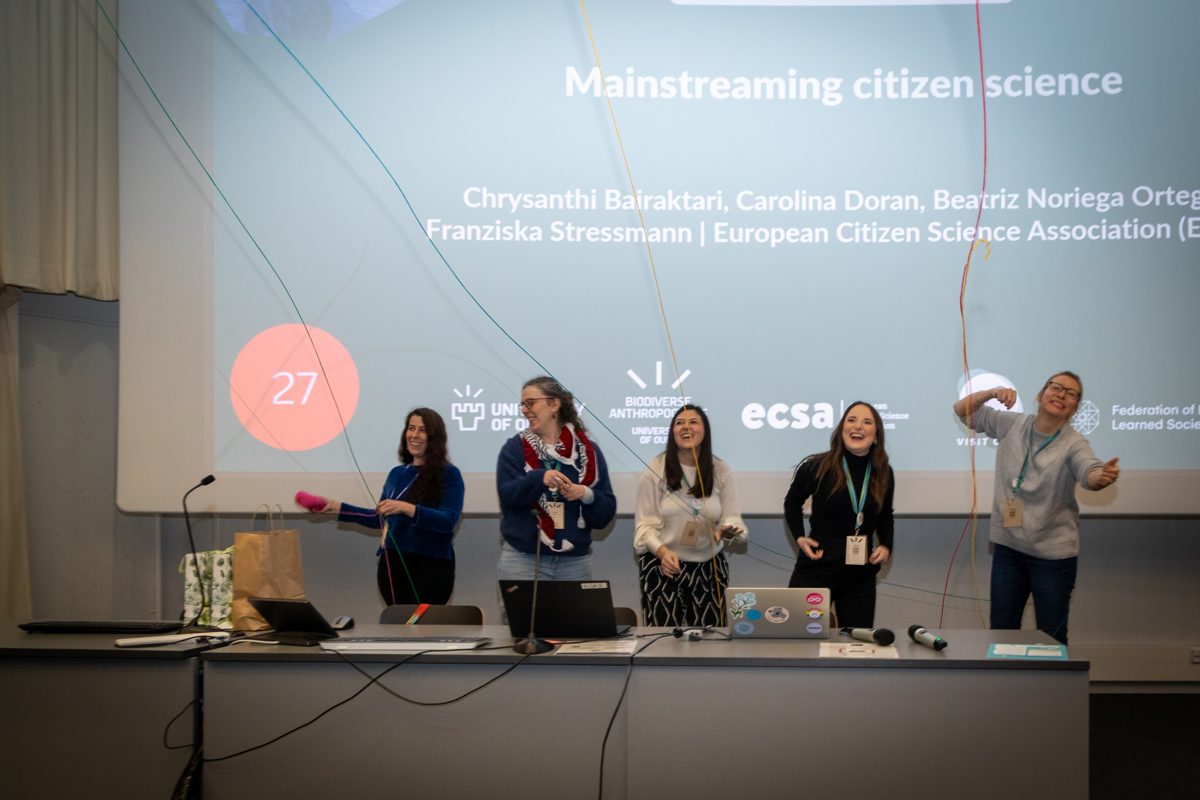
The ECS Collaboration Sessions began as a space for citizen science practitioners from across Europe to meet, share what they were working on, and think through common challenges together. The format predates ECS, growing out of the monthly meetings held under the SwafS programme in Horizon 2020, and it continued to grow throughout the project as a regular online gathering. Across three years, 25 sessions were each hosted by a member of the community who chose the topic and shaped the discussion, from ethics and inclusiveness to advocacy, legal aspects, conflict zones and getting citizen science into municipalities. More than 250 people signed up over the years, with sessions typically drawing a few dozen participants each time.
The value of these sessions was above all in the space they afforded for the citizen science community to discuss real issues related to their day-to-day work. Hosts often brought open questions as well as results, on things like recruiting and keeping participants, handling data quality, or working with communities that are usually left out. These are the ordinary, recurring parts of participatory work, and the sessions were a place to talk them through with others who deal with the same ones.
This group of citizen science practitioners has joined the wider European citizen science community through the ECSA members. They meet once a month to discuss different topics. The schedule is prepared together with members who get to choose a date to facilitate a meeting and whether they wish it to be public or member-exclusive. If you are not part of it yet but would like to join, you can find out more about becoming a member here or by reaching out to us via our contact page.
Public libraries
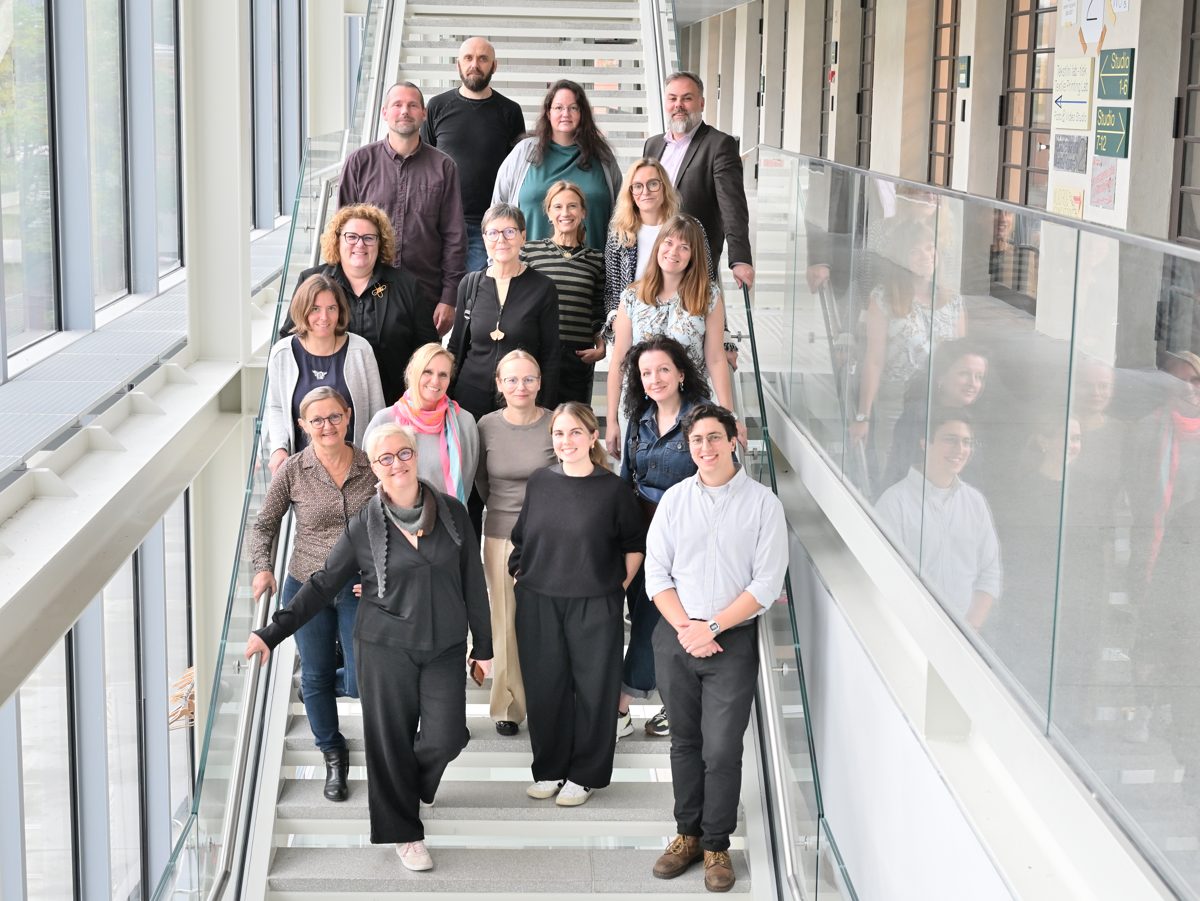
10 public lighthouse libraries were engaged during the ECS project, to take part in focus groups to develop a training for public libraries on citizen science, and to support them in organising and carrying out citizen science activities in their regions. Public libraries were seen as essential partners in the ECS project to widen the scope of participation in citizen science. Details of their experience can be found in this collection of blog posts:
- Citizen science and the libraries: the stories of the Valmiera Library, Latvia
- Public libraries and citizen science: takeaways from a pilot training course
- Citizen science at the Municipal Public Library in Kudowa-Zdrój
- Citizen science at the Kranj City Library in Slovenia
- Citizen science at the Viikki Library in Finland
- Public libraries: a unique place to do citizen science
In addition, a community of practice was shaped with these 10 lighthouse public libraries in addition to other public libraries that attended the training. This library engagement was essential in breaking down the barriers that can exist between researchers and librarians and to build the case for libraries as equal partners rather than mere venues.
In continuation of this endeavour to enforce public libraries as key stakeholders of the citizen science community, a new ECSA working group was created, waiting for you to join. The Public Libraries Working Group brings together public libraries, library networks, researchers, citizen science practitioners and ECSA members to explore, strengthen and advocate for the role of public libraries across the full citizen science cycle — from awareness-raising and the co-creation of research questions to participation, data stewardship, communication of results and long-term community impact.
Researchers
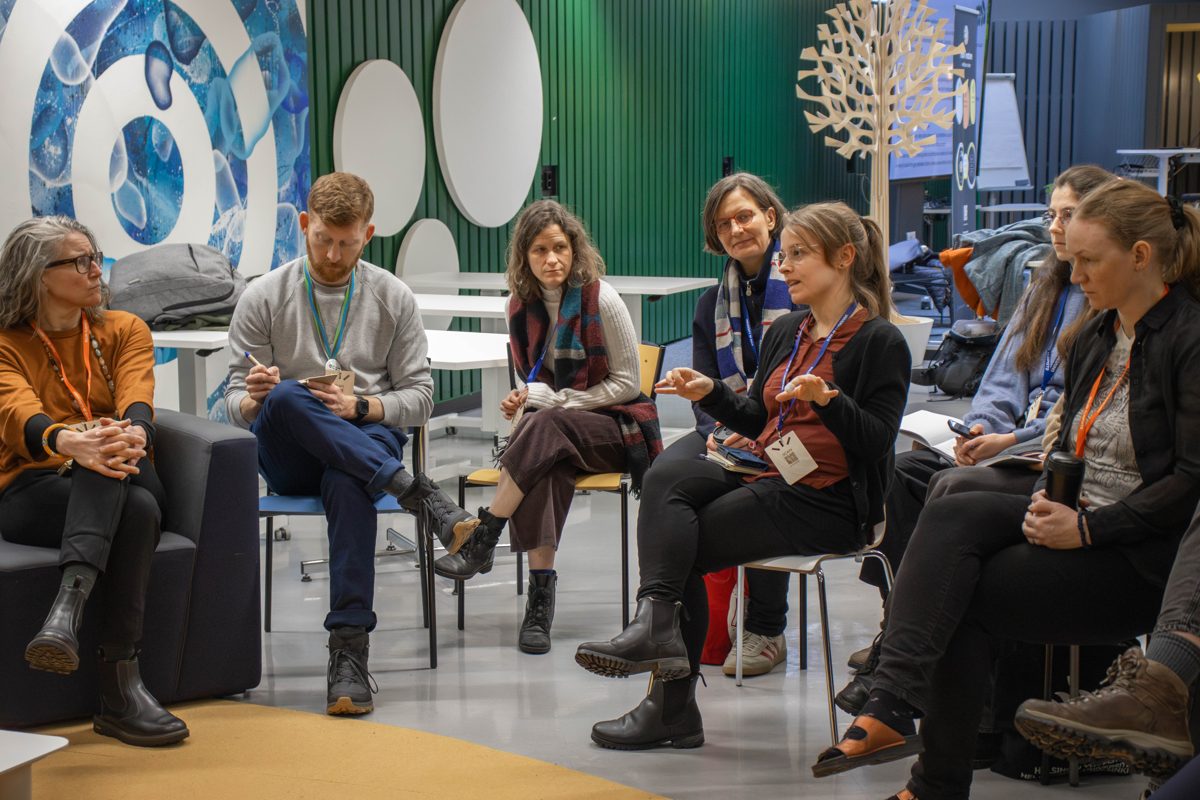
The acceptance of citizen science as a research method is now integrated in the competency framework for researchers in Europe (ResearchComp). This recognition is opening up opportunities for Early Career Researchers (ECRs) - people at Master's, PhD, and postdoctoral levels, to develop expertise in citizen science. Yet, starting in citizen science is not always easy, and learning from peers, as well as having mutual support, can be effective.
ECSA and the Marie Curie Alumni Association (MCAA) are working together to strengthen support for researchers throughout the European citizen science community. As part of this effort, the Network of Researchers for Citizen Science (NR4CS), established under the ECS project as a joint initiative between the MCAA and Université Paris Cité, will continue as one of the project's lasting legacies.
The new collaborative network led by ECSA and the MCAA will continue to provide an ongoing community where researchers can connect, exchange knowledge and experiences, and build awareness of citizen science opportunities and best practices. Through regular community meetings, peer exchange, training, and knowledge-sharing activities, members will develop professional connections, foster collaboration across disciplines, institutions, and countries, and promote citizen science as a valuable research approach. Keep an eye on this space for updates.
Educators and trainers
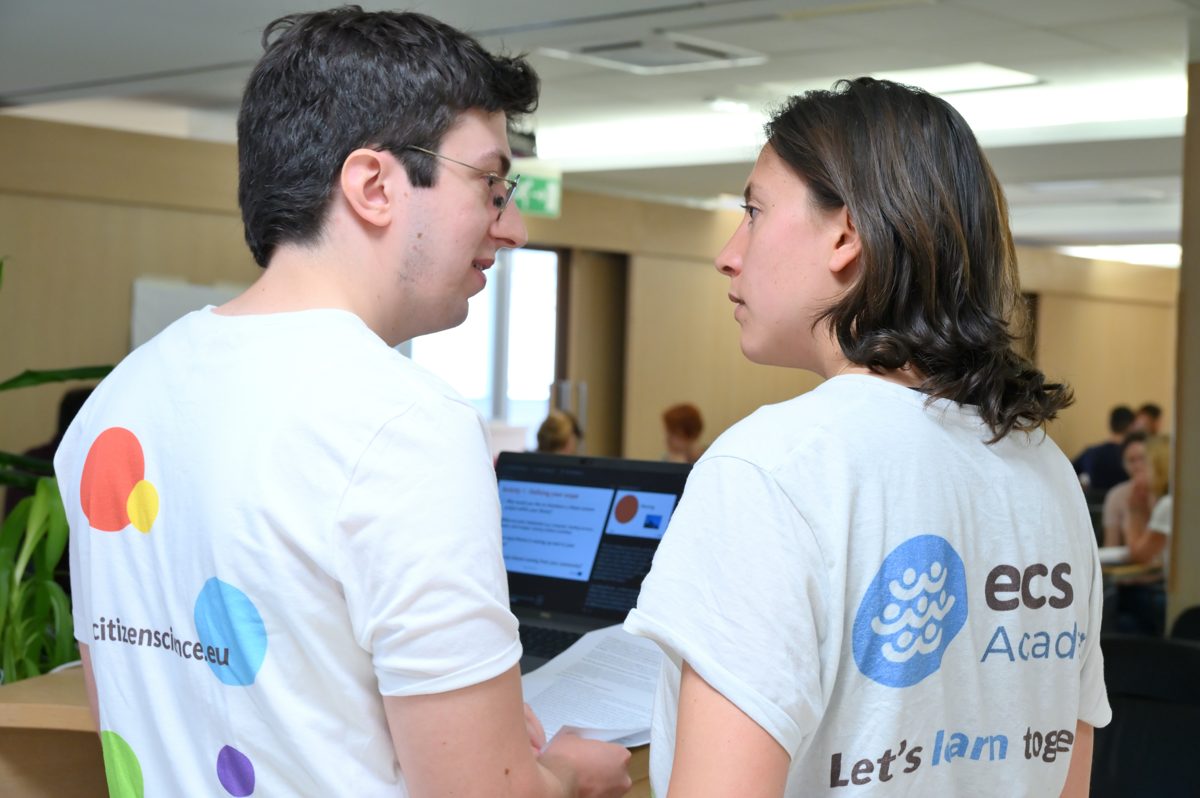
As part of the work on the European Citizen Science Academy (ECS Academy) a network of citizen science educators and trainers was developed. This network represents individuals which provides both formal and/or informal education to participants in the area of citizen science and Community Science. Teaching and training is happening across Europe, and the network is a space for citizen science educators and trainers to exchange their knowledge and experience on citizen science teaching/training, to speak about their challenges and exchange resources.
During the ECS project, the network co-developed alongside Université Paris Cité / Learning Planet Institute, the Blueprint for the European Citizen Science Academy, the foundational document to the development of the ECS Academy. The network was engaged throughout the ECS project, through regular network meetings, the development of guides to share resources, workshops, conference sessions and presentations.
The network will continue beyond the ECS project, co-managed by the Natural History Museum in Paris and ECSA alongside network members. Keep an eye on this space for updates.
Citizen Science Ambassadors
The ECS (European Citizen Science) project created a network of 28 Citizen Science Ambassadors (EU-27 + the UK) to support the activities in the project, raise awareness about citizen science and spread and strengthen citizen science in Europe. All Citizen Science Ambassadors were selected through an open call.
During the project the ambassadors acted as the local representative and promoter of citizen science and the ECS project in the respective country. Some of their tasks were:
- Represent the citizenscience.eu nationally and promote and expand its content with national initiatives and resources
- Support community building, help organise engagement activities at national and local level in collaboration with ECS partners and affiliated entities
- Share and disseminate ECS project activities, events and news
- Advocate for citizen science among key stakeholders
- Help monitor the situation of citizen science in the respective country
- Promote citizen science amongst research organisations and academics nationally
What started off as a group of advocates from different countries soon became a community eager to support and learn from one another. The ambassadors met almost every month since the beginning of the programme and not only have strengthened regional CS networks and created new resources but have also created a strong need for a citizen science ambassador programme. This is a fundamental legacy of the ECS project that we will certainly maintain. Some of the Ambassadors we worked with will stay with us and support the creation of a new programme coordinated by the ECSA HQ team. We share some initial ideas in the ‘The future of the ambassador programme’ section and invite you to keep an eye on this space for staying up to date.
Click on a country to meet its ambassador.
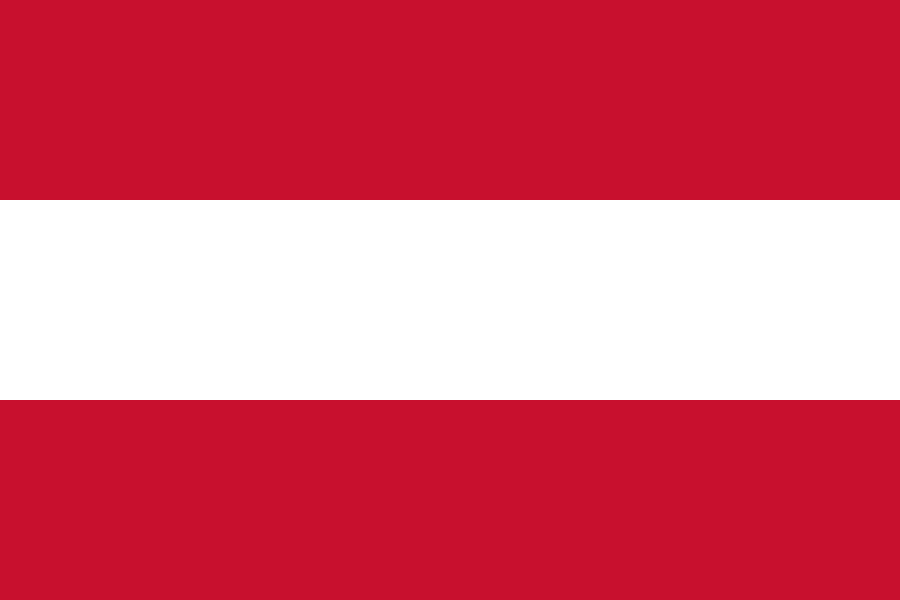 AustriaDidone Frigerio
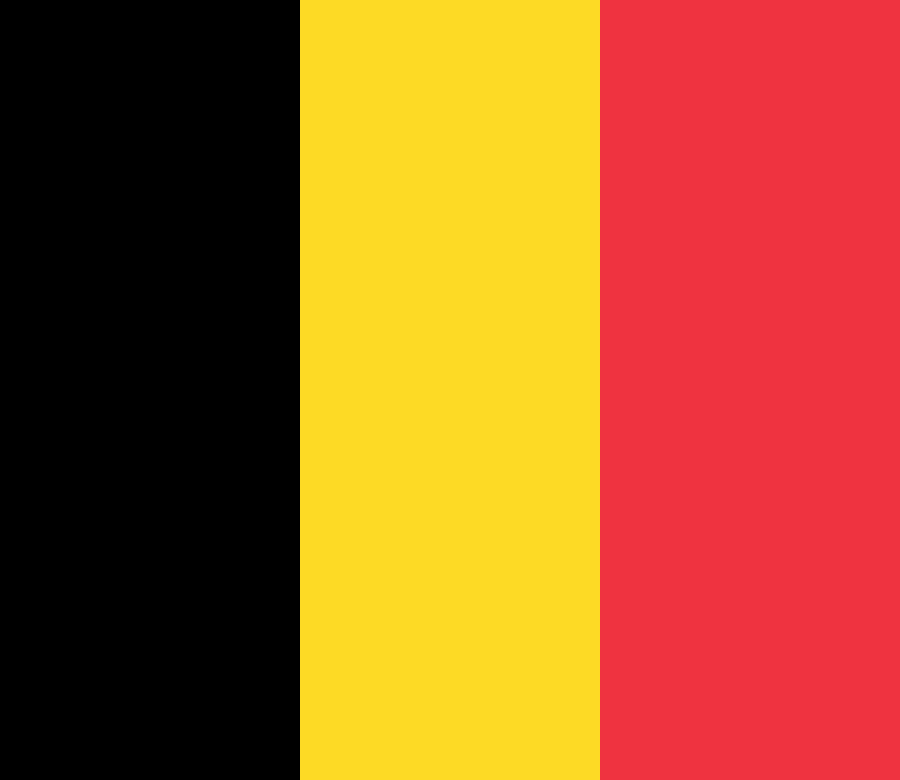 BelgiumAnnelies Duerinckx
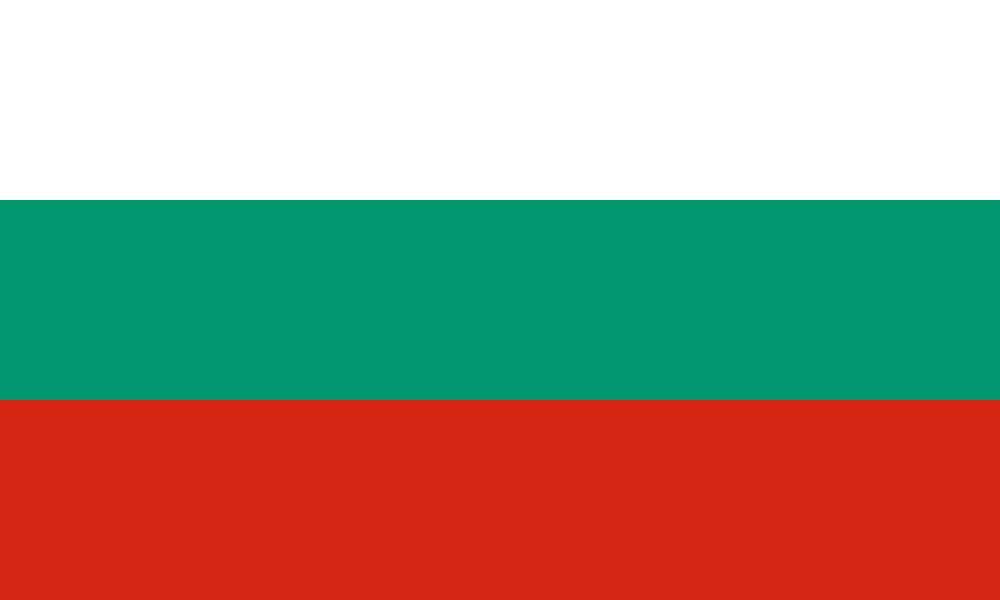 BulgariaStefaniya Kamenova
 CroatiaTea Vukušić Rukavina
 CyprusMia Trentin
 Czech RepublicMichael Lažan
 DenmarkGitte Kragh
 EstoniaCarmen Kilvits
 FinlandAlexandra Middleton
 FranceMarguerite Benony
 GermanyJasmin Pfeifer
 GreeceVanessa Fragkaki
 HungaryMarietta Le
 IrelandOscar Diaz
 LatviaSanita Reinsone
 LithuaniaMonika Mačiulienė
 MaltaSimone Cutajar
 PolandBogna Gawrońska-Nowak
 PortugalRita Rocha
 RomaniaLucrina Ștefănescu
 SlovakiaZuzana Stožická
 SloveniaZarja Muršič
 SpainMeritxell Abril
 SwedenLotta Waesterberg Tomasson
 United KingdomAdrian Cooper
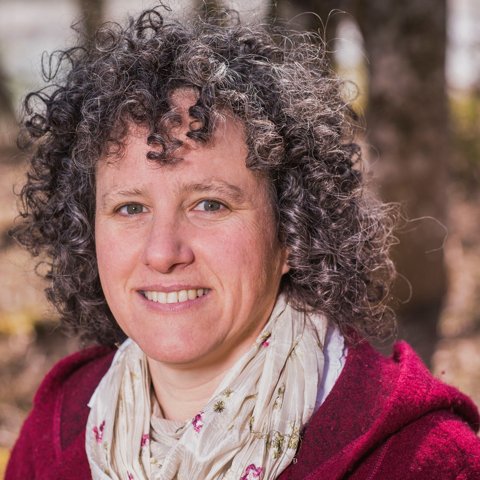
Didone Frigerio — Austria
Didone Frigerio from Austria is affiliated with the University of Vienna and the Konrad Lorenz Research Center & Department for Behavioural and Cognitive Biology. A passionate advocate for open knowledge, they believe that science belongs to everyone. In their view, involving the public in the scientific process not only accelerates data collection but also fosters a deeper public trust in science and empowers communities to solve real-world problems.
During their ambassadorship, Didone has contributed to a range of impactful initiatives. They were involved in the Circle U – PReCISE Summer School with UC Louvain and participated in the Lange Nacht der Forschung at the Vienna BioCenter in 2024 and 2026, helping to engage the public with scientific research. They also played a key role in the construction of the Open Science Center in the Almtal Valley (Upper Austria), which is scheduled to open in September 2026. In addition, they contributed to the BUILDERS MSCA Staff Exchanges project on invasive species and the FWF TCS project ReWilding Galapagos Together, both of which promote collaboration and citizen participation in addressing global environmental challenges.
Annelies Duerinckx — Belgium
Annelies Duerinckx is based in Belgium, working at Scivil, citizen science Flanders. She believes in the power of CS, where citizens, scientists and civil society actors work together, and each can contribute to scientific and societal issues from their own unique expertise. It is her mission to inspire, support and bring others together around CS.
During her ambassadorship she organised the first Citizen Science Fair in Belgium together with ECS as a satellite event to the Policy Clustering event. Additionally she organised the launch of the first and second Citizen Science Scan, mapping the Belgian citizen science landscape.
Scivil: scivil.be · Bluesky · Facebook · Instagram · LinkedIn
Personal: LinkedIn · Bluesky
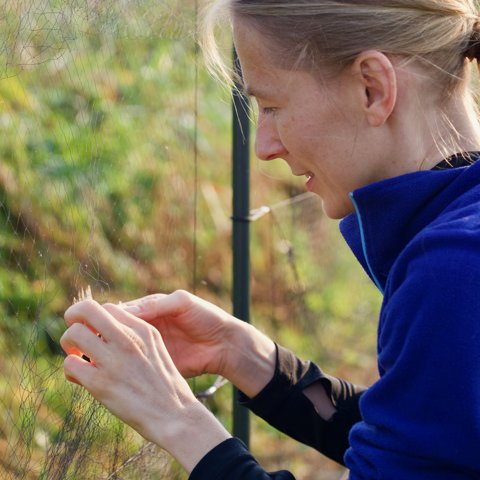
Stefaniya Kamenova — Bulgaria
Stefaniya Kamenova, working at the National Museum of Natural History in Bulgaria, declares that nature has always inspired deep passion and commitment in Bulgaria. This is laying the foundation for a remarkably strong civil society dedicated to biodiversity conservation. She believes that today, if these efforts are better aligned and coordinated, they can significantly enhance our capacity to monitor biodiversity and evaluate ecosystem health. Her ambition is to harness the power of citizen engagement in Bulgaria to establish a nationally coordinated biomonitoring system with a structured agenda, shared goals and common standards.
During her ambassadorship she completed a ProBleu project on Ocean and Water Literacy with the school kids and their teacher from the high school of mathematics and natural sciences “Dobri Chintulov” in Sliven. They sampled marine eDNA from biodiversity hotspots along the Black Sea coast in Bulgaria. Additionally she developed a strong collaboration with the ambassador of iNaturalist for Bulgaria and the associated community of citizens relentlessly monitoring and identifying lepidopteran species across Bulgaria. Based on the more than 15,000 records, they are now trying to build a structured and coordinated network for systematic lepidopteran monitoring. Finally, she is acting as a co-chair of the Bulgarian Barcode of Life iBOL Europe node, using her position to steer structured interactions between CS monitoring efforts in social media and the research community to accelerate the DNA referencing and DNA-based monitoring of plants and invertebrates in Bulgaria.
National Museum of Natural History, Bulgarian Academy of Sciences, Sofia, Bulgaria.
Bluesky · LinkedIn: Stefaniya Kamenova · Instagram: @stefaniya.kamenova
Tea Vukušić Rukavina — Croatia
Tea Vukušić Rukavina from Croatia claims that advancing CS in Croatia is a challenge. Working at the School of Medicine, University of Zagreb, she plans on combining passion, knowledge, experience, commitment, responsibility and love in her position as CS Ambassador. She believes that together we can make a meaningful impact, driving innovation and creating a brighter future through the power of CS.
Mia Trentin — Cyprus
Mia Trentin from Cyprus, working for the non-profit, educational and research organisation ‘Citizens in Power’, is driven by a passion for our shared past. She is committed to bridging archaeology and digital tools to empower communities. Through the projects they manage, they have built inclusive networks at a local and EU level.
Citizens in Power: Facebook · YouTube · Twitter · Instagram · LinkedIn
Personal: LinkedIn
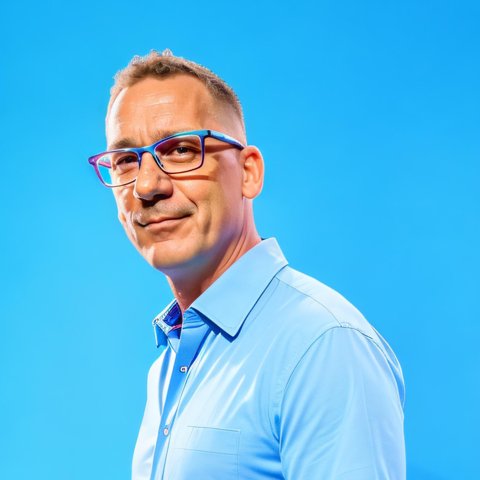
Michael Lažan — Czech Republic
Michael Lažan is a Citizen Science ambassador from the Czech Republic affiliated with the non-profit organisation Senzorvzduchu. He is passionate about bridging science, citizens, and municipalities in the Czech Republic. Additionally he is eager to involve students via the ‘Sensor to School’ initiative.
During his ambassadorship Michael signed the Memorandum on the Development of Citizen Science in the Czech Republic at Arnoldova vila in Brno, co-organised the first Citizen Science Day in Czechia with IT4Innovations and VŠB–Technical University of Ostrava, and launched Akademie AIR together with the Faculty of Economics and Administration at Masaryk University in Brno. He joined the CitiObs Alliance, has been an active member of the monthly ECS Ambassador Network, and hosted Denmark's Citizen Science Ambassador in Prague. He helped scale the Senzory do škol initiative across Prague, Brno, the Liberec region, and Hrušovany u Brna, while also co-leading Noc vědců at Masaryk University. He curated dedicated Citizen Science zones at Maker Faire Brno and Maker Faire Prague, each attracting more than 8,000 visitors, in collaboration with the Czech Ornithological Society. Through partnerships with Masaryk University, Tomas Bata University in Zlín, Charles University, and VŠB–Technical University of Ostrava, he strengthened the position of citizen science within academia. He also contributed to integrating citizen science into the EOSC CZ open science ecosystem, including participation in the April 2025 Citizen Science Month interview alongside researchers from the Czech Academy of Sciences and Masaryk University, and co-founded the Czech–Slovak Citizen Science Platform, whose first formal meeting took place in March 2026.
Senzorvzduchu: Twitter/X @senzorvzduchu · Facebook @senzorvzduchu
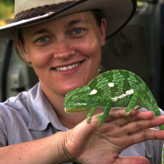
Gitte Kragh — Denmark
Gitte Kragh is based in Denmark, working for the Nordic Foundation for Development and Ecology (NORDECO) and the Science Melting Pot. She believes that there's no science without people. CS welcomes everyone to be part of exploring our world and inform our scientific discoveries. Therefore, she does her best to facilitate CS.
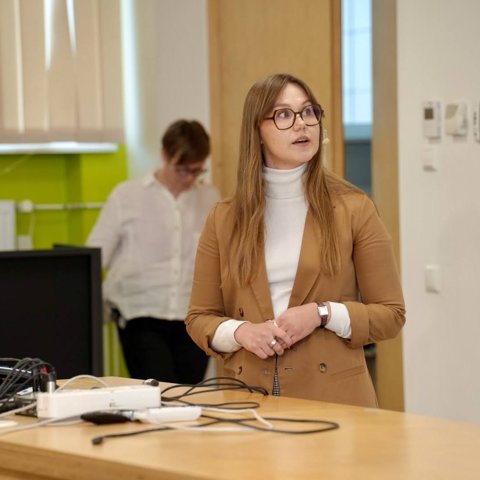
Carmen Kilvits — Estonia
Carmen Kilvits, based in Estonia, is working for the Estonian University of Life Sciences. She believes CS empowers people to become active partners in understanding and protecting the environment. Local communities hold valuable knowledge and lived experience, and they should be part of environmental decision-making. To her, CS is the vital link that connects citizens with nature conservation, strengthens communities, and creates more inclusive and informed environmental action.
During her ambassadorship she has been contributing to the development of the CS network in Estonia. Together with many aspiring partners, she has helped to organise annual seminars focusing on important CS topics such as participant motivation and data protection. These events have helped to strengthen collaboration, shared knowledge and to grow the visibility of CS in Estonia. Another important milestone was the launch of the CS4Change living lab focused on the forests of Viimsi, Estonia. The living lab supports greater involvement of local people in shaping and caring for their forests, demonstrating how CS can strengthen both environmental stewardship and democratic participation.
Estonian University of Life Sciences — Junior Research Fellow in Environmental Sciences and Applied Biology.
Project CS4Change · LinkedIn
Alexandra Middleton — Finland
Alexandra Middleton is an arctic researcher, working at the Oulu Business School / University of Oulu in Finland. Her mission as CS Ambassador for Finland is to leverage expertise in multistakeholder engagement, science diplomacy, and community involvement. She is dedicated to collaboration, inclusivity, and sustainable practices.
LinkedIn · Twitter @arcticsense · ORCID · University of Oulu profile
Marguerite Benony — France
Dr. Marguerite Benony is honoured to be the new French CS ambassador. She truly believes in the transformative power of CS — not only as a means of producing knowledge, but as a movement for collective curiosity, action, and social impact. She sees this new role as a great opportunity to grow the community in France and beyond.
Jasmin Pfeifer — Germany
Dr. Jasmin Pfeifer from Germany works at the Institute for Linguistics at the Heinrich Heine University in Düsseldorf. She loves taking science out of the ivory tower of universities and taking it to the citizens so that they can not only see what we do but also actively shape it. She feels very honoured to be chosen as a CS Ambassador for Germany.
Twitter @jaspfeifer
Vanessa Fragkaki — Greece
Vanessa Fragkaki from Greece is affiliated with the Università Roma Tre, Rome, and City Space Architecture, Bologna, Italy. She feels glad and challenged to be a CS Ambassador in Greece. As a PhD researcher in City and Mental Health, she will be delivering the mission of reinforcing and amplifying the CS network by bringing together into fruitful collaborations and actions multiple stakeholders, local actors and communities towards a more sustainable, inclusive and quality cohabitation.
Marietta Le — Hungary
Marietta Le is a Citizen Science ambassador from Hungary. She believes that CS gives everyone the chance to participate in the production of knowledge about things they care about. “I would like to show people in Hungary the many initiatives they can join, or help them take the first steps to start their own community research.”
LinkedIn · Instagram @tudos_kozos_civil · Twitter @lemarietta
Oscar Diaz — Ireland
Oscar Diaz is working at the Enterprise FabLab in Ireland. He is enthusiastic about utilising technology as a tool and his CS efforts in FabLab for collaborative projects. Through community-driven research, he empowers citizens and raises awareness.
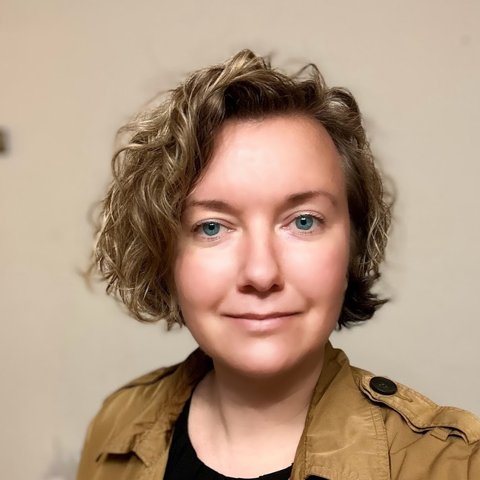
Sanita Reinsone — Latvia
Sanita Reinsone from Latvia is a true believer in citizen science's transformative power. Affiliated with the Institute of Literature, Folklore and Art at the University of Latvia, she thinks that CS is amplifying voices and driving meaningful change through collective curiosity and action.
Twitter @sanitare · Facebook · Facebook @SabiedriskaZinatne · LinkedIn
Monika Mačiulienė — Lithuania
Dr. Monika Mačiulienė is the head of the Citizen Science Association in Lithuania. She is dedicated to advancing the idea that the future of science lies in its democratisation and openness. Representing citizen science ideals at various events, projects, and initiatives, she advocates for a transformative vision where science is no longer exclusive but is simply known as ‘science’, i.e., inclusive, accessible, and participatory by nature. During her ambassadorship she is organising CS related events, presenting CS ideas at Lithuanian and regional conferences, and connecting with the network of colleagues.
Citizen Science Hub, VILNIUS TECH · LinkedIn
Simone Cutajar — Malta
Simone Cutajar, based in Malta, working at the University of Malta, believes that CS is with, for and by the people. As a CS Ambassador, her mission is to cultivate inclusivity in science, inspiring others to participate and recognise the potential for everyone to make a genuine impact. Her objective is to nurture curiosity, promote environmental stewardship and encourage engagement with our world.
Bogna Gawrońska-Nowak — Poland
Bogna Gawrońska-Nowak lives in Poland, working for the Cracow University of Economics and the Institute of Urban and Regional Development in Warsaw. She believes that science needs to be needed. The world is experiencing social changes that require new knowledge creation and sharing patterns and practices. She wishes to rediscover them together with and for citizens, with and for all of us.
Cracow University of Economics profile · Institute of Urban and Regional Development
Latest CS projects: Polska Marzeń · Czy Łódź Jest Twoja
Rita Rocha — Portugal
Rita Rocha, based in Portugal, is working at Mundo Científico — Educação e Divulgação Científica. To her, being chosen as a CS Ambassador means being fully committed to bringing together citizens, scientists and other socially engaged stakeholders to cooperate for a common purpose: to promote scientifically informed and community-engaged citizens through the participation in projects and initiatives that have a real and meaningful impact on their lives.
Mundo Científico · School/Teacher: Colégio Luso-Francês · Researcher: PhD student, Science Education and Communication, Faculty of Sciences, University of Porto · Personal website · Facebook
Lucrina Ștefănescu — Romania
Lucrina Ștefănescu from Romania believes that real changes at community level are needed to improve our well-being and quality of life in a sustainable manner and that the best way to do it is by CS. She works at the Office for Open Science at the Babeș-Bolyai University in Cluj-Napoca. During her ambassadorship she initiated the development of the first Romanian CS platform, which launched in May 2024 and is now acknowledged by UNESCO and included in UNESCO's Open and Inclusive Science Hub. Additionally she promoted the CS concept in Romania at local, regional and national level. This contributed to acquiring funding for Babeș-Bolyai University, and promoted CS projects and initiatives as the CS coordinator at the Office for Open Science.
Contact website · Facebook (Open Science UBB) · Facebook · LinkedIn
Zuzana Stožická — Slovakia
Zuzana Stožická, based in Slovakia, is an Ambassador working at the Slovak Centre of Scientific and Technical Information. She believes that CS and participatory research methods are a great means of bringing science closer to people and people closer to science, cultivating relationships between them, teaching them to talk to each other, to solve problems together and on the basis of scientific methods, which is much needed in today's information space, overcrowded with unreliable information and manipulation. Her goal is to make CS more visible in Slovakia, to connect it with the world and to show those who do not yet trust participatory methods what such collaboration can bring to all those involved.
During her ambassadorship she is continuously mapping and contacting citizen science initiatives in Slovakia, promoting the projects, and connecting stakeholders (lectures, webinars, articles on citizen science in a popular science magazine, a joint booth at the European Researchers' Night 2025 in Bratislava with representatives of Slovak CS projects). She translated the LIBER textbook on citizen science for librarians, and collaborated with Czech partners, which led to the signing of a Memorandum (2025) and the creation of a common platform. Additionally she is planning to organise the first Citizen Science Summer School in the region in September 2026.
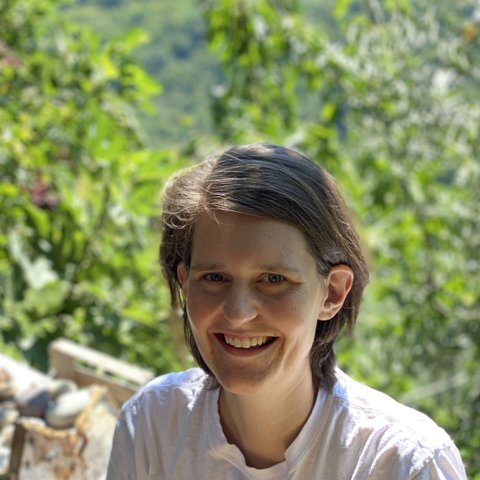
Zarja Muršič — Slovenia
Zarja Muršič from Slovenia truly believes that science is for everyone and that anyone can contribute. CS offers a way to achieve this. She is working as a freelance science communicator for the University of Ljubljana.
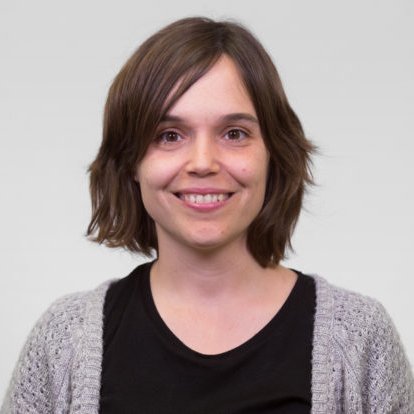
Meritxell Abril — Spain
Meritxell Abril is working for the BETA Technological Center in Spain. As an ecologist, she believes CS to be a powerful bridge between people and nature, advancing ecology through collective knowledge, research, and environmental action.
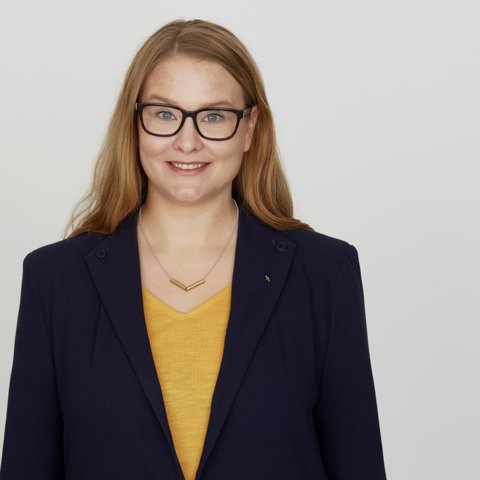
Lotta Waesterberg Tomasson — Sweden
Lotta Waesterberg Tomasson, a CS Ambassador from Sweden, thinks that CS represents the ultimate way of dialogue in science communication. When done properly, it is the most effective means of fostering trust, understanding, and respect within society towards research, ultimately paving the way towards a better world.
Public & Science Sweden: Facebook · Instagram · LinkedIn · YouTube
CS network in Sweden: Instagram · LinkedIn · Facebook
Personal: LinkedIn
Adrian Cooper — United Kingdom
Adrian Cooper is committed to the goal of promoting CS throughout the UK, and alongside colleagues across the European Union. He is working for Felixstowe's Citizen Science Group, UK.
Facebook · Twitter @CommunityNature
The ECSA Ambassador Network is evolving into a sustainable, long-term pillar of our citizen science community. Moving beyond the initial project phase, we are launching a renewed programme based on the learnings from our work, designed to continue empowering national citizen science advocates with concrete resources, clear objectives, and dedicated support. We are considering a model where new ambassadors overlap with those that have been part of the programme to encourage better handover and continuation of work. This means that the selection will happen on a regular basis and it will be partial, i.e., only cover a proportion of the represented countries.
Our mission remains to strengthen citizen science across Europe by bridging local action with pan-European collaboration. Ambassadors will benefit from regular training, networking opportunities, and facilitation to work on common goals. A key milestone will be securing the necessary funds to support the work of this network, ensuring that ambassadors can dedicate time and energy to their roles without bearing the full burden voluntarily.
We invite you to keep an eye on this space for updates as ECSA and Ambassadors still actively work together to refine the structure and prepare for the new programme.