ECS platform blog
Juliette Chalant Aug. 15, 2024, 8:42 a.m.
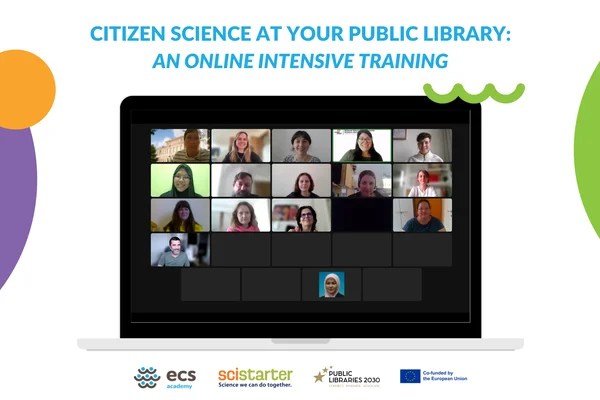
Public libraries and citizen science: takeaways from a pilot training course
In May 2024, 19 public libraries from all over the world attended an online intensive training within the context of the European Citizen Science (ECS) project to learn about citizen science and how public libraries have integrated, and can integrate, citizen science in their library.
Anna Verones, July 29, 2024, 9:31 a.m.
ECSA’s ongoing advocacy: Harnessing citizen science for climate action
Discover how ECSA is harnessing citizen science to drive climate action and engage communities. Recent initiatives include a training session on engaging stakeholders and citizens for climate adaptation with MIP4Adapt, and participation in the EU Climate Pact Community Forum.
Juliette Chalant July 10, 2024, 7:51 a.m.
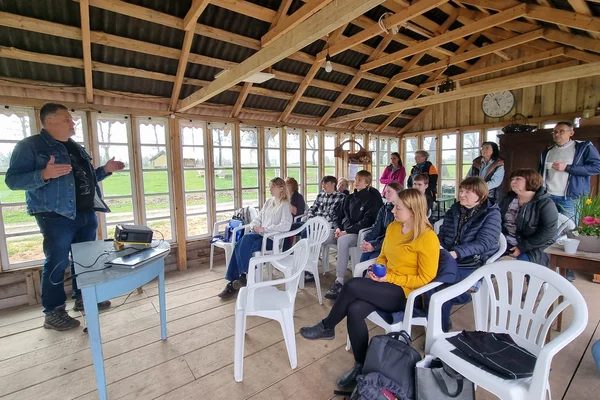
Citizen science and the libraries: the stories of the Valmiera Library, Latvia
As part of the ECS project, 10 public libraries from Public Libraries 2030’s European network are organising citizen science-related events. These events aim to introduce citizen science to a wider public, ultimately broadening and strengthening the European citizen science community. The spotlight is on the Valmiera Library in Latvia, who has organised several activities and events on citizen science throughout 2024 to popularise citizen science and promote public participation in scientific research.
Andrea Sforzi June 17, 2024, 1:41 p.m.
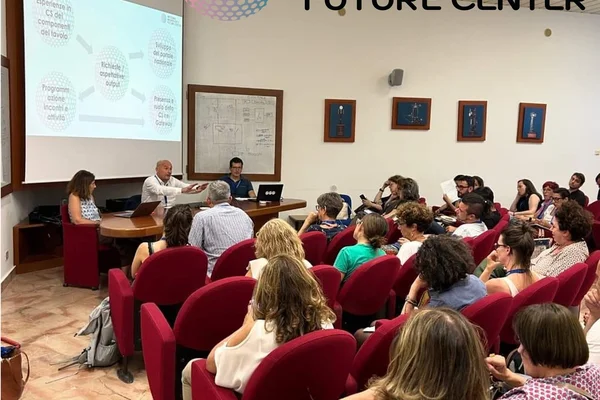
Italy: the NBFC Working Table on Citizen Science was born
The National Biodiversity Future Center (NBFC) is one out of five national centres dedicated to frontier research, funded by the National Recovery and Resilience Plan (PNRR) in the framework of Next Generation EU. Established under an initiative of the National Research Council (CNR), NBFC is the first National Research Center dedicated to conservation, monitoring, restoration and valorisation of biodiversity. In this frame on May 21st 2024 the NBFC Working Table on Citizen Science was officially launched with the aim of making citizen science increasingly significant elements, in the short and medium term.
Stefanie Schuerz, April 24, 2024, 1 p.m.
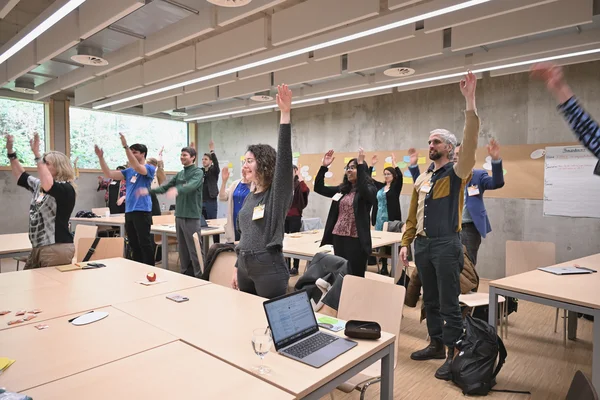
Rethinking impact assessment in citizen science
Rethinking impact assessment in citizen science was the topic of a whole-day focus session at the ECSA Conference 2024 in Vienna. The event was the perfect space for more than 80 attendees to discuss current challenges and possible solutions to evaluation and impact assessment in a design thinking approach that spread across three consecutive sessions. It was organised by Barbara Kieslinger, Teresa Schaefer and Stefanie Schuerz of the ECS project and Antonella Passani of the Impetus project.
Dorte Riemenschneider, April 24, 2024, 12:40 p.m.
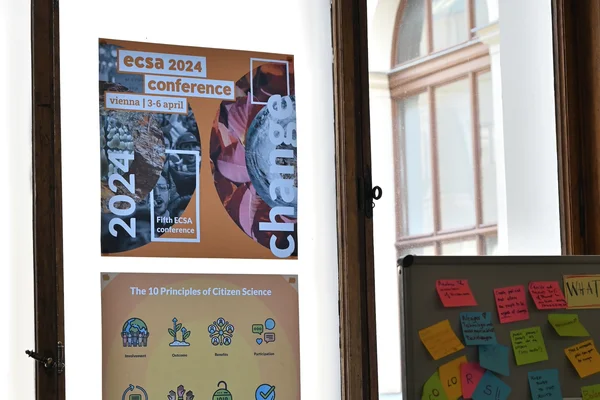
ECSA2024 conference in Vienna: a memorable event
ECSA2024 in Vienna was an inspiring reminder of the vibrant energy that drives our community. The conference was a dynamic space for networking, learning, and collaborative thinking. Informal discussions and spontaneous meetings among attendees sparked creative ideas and new collaborations, emphasising the value of face-to-face interactions.
Sonia Liñán Feb. 8, 2024, 12:44 p.m.
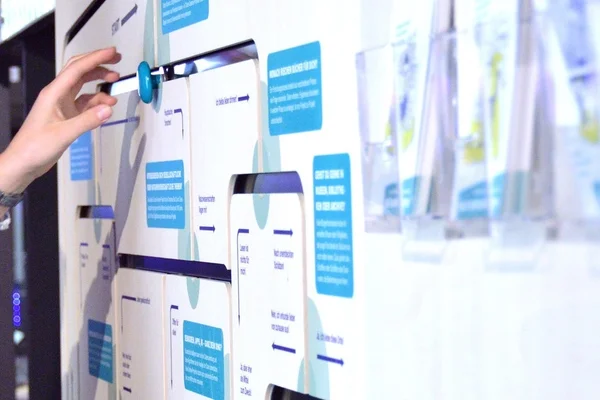
ECS Best Practices report for collaborative data infrastructures
The European Citizen Science (ECS) project has released a report to revolutionise data management practices within citizen science initiatives. This report, led by researchers from the Institut de Ciències del Mar (ICM-CSIC), derived from a meticulous literature review, serves as a comprehensive guide for organisations and individuals involved in developing and implementing technological services in citizen science.
Cathrine Winther, Jan. 31, 2024, 10:58 a.m.
Citizen social science in educational settings
As a part of the EU-funded project YouCount, the Department of sustainability and planning of the Aalborg University, in Denmark, have experimented with implementing citizen social science as a tool for working practice and action-based with sustainability for civic youth engagement.
Yaela Golumbic Jan. 31, 2024, 10:53 a.m.
Education and training at the Israel Center for Citizen Science
Citizen science in Israel has been growing slowly yet steadily, over the past years. Yet, projects generally operate independently of one another, needing to build their own expertise, infrastructure and public support systems. This situation restricts the sharing of knowledge, limits the efficient allocation of resources, and ultimately prevents projects from reaching their full potential. This is why the Israel Center for Citizen Science was established.
Floor Keersmaekers, Jan. 31, 2024, 10:34 a.m.
Urban engaged university
Get to know the Citizen Science Contact Point (CSCP) launched in October 2022 by the Research Council of the Vrije Universiteit Brussel. As the name suggests, the research community at Vrije Universiteit Brussel can address the Citizen Science Contact Point for all things citizen science. But the larger aim, as stated in the policy plans, is to stimulate both the quality and the quantity of funded Vrije Universiteit Brussel projects applying a citizen science approach, and to promote a culture in which citizen science is considered as a fully-fledged research method.
Meritxell Martell, Dec. 5, 2023, 9:06 a.m.
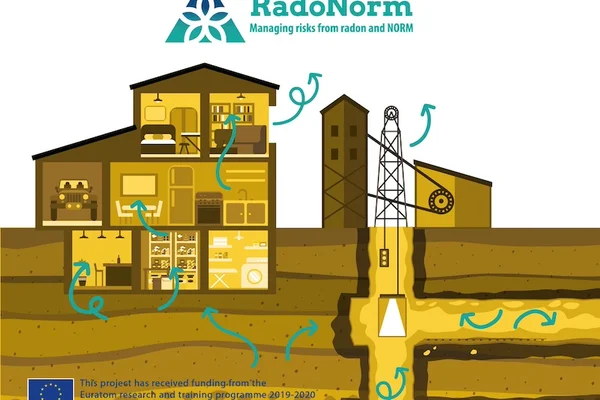
European Radon Day marked with citizen science event
Radon is a radioactive gas that is odourless, colourless and tasteless and poses a serious risk of lung cancer, a risk enhanced by exposure to air pollution and smoking. Citizen science can contribute to investigate the scientific, technical and societal risks from radon exposure situations, and support good management of these materials and effective radiation protection.
Meritxell Martell, Dec. 1, 2023, 10:06 a.m.
Citizen engagement, motivation and recruitment
Citizen scientists are undoubtedly the vital essence of any citizen science project. Therefore, keeping an eye on what interests and motivates the citizens, and what they expect from their involvement in the project, is crucial to ensure not only the success but also the sustained longevity of citizen science initiatives. Yet, maintaining consistent engagement and ensuring citizens remain highly motivated throughout can pose a challenge for many citizen science initiatives.